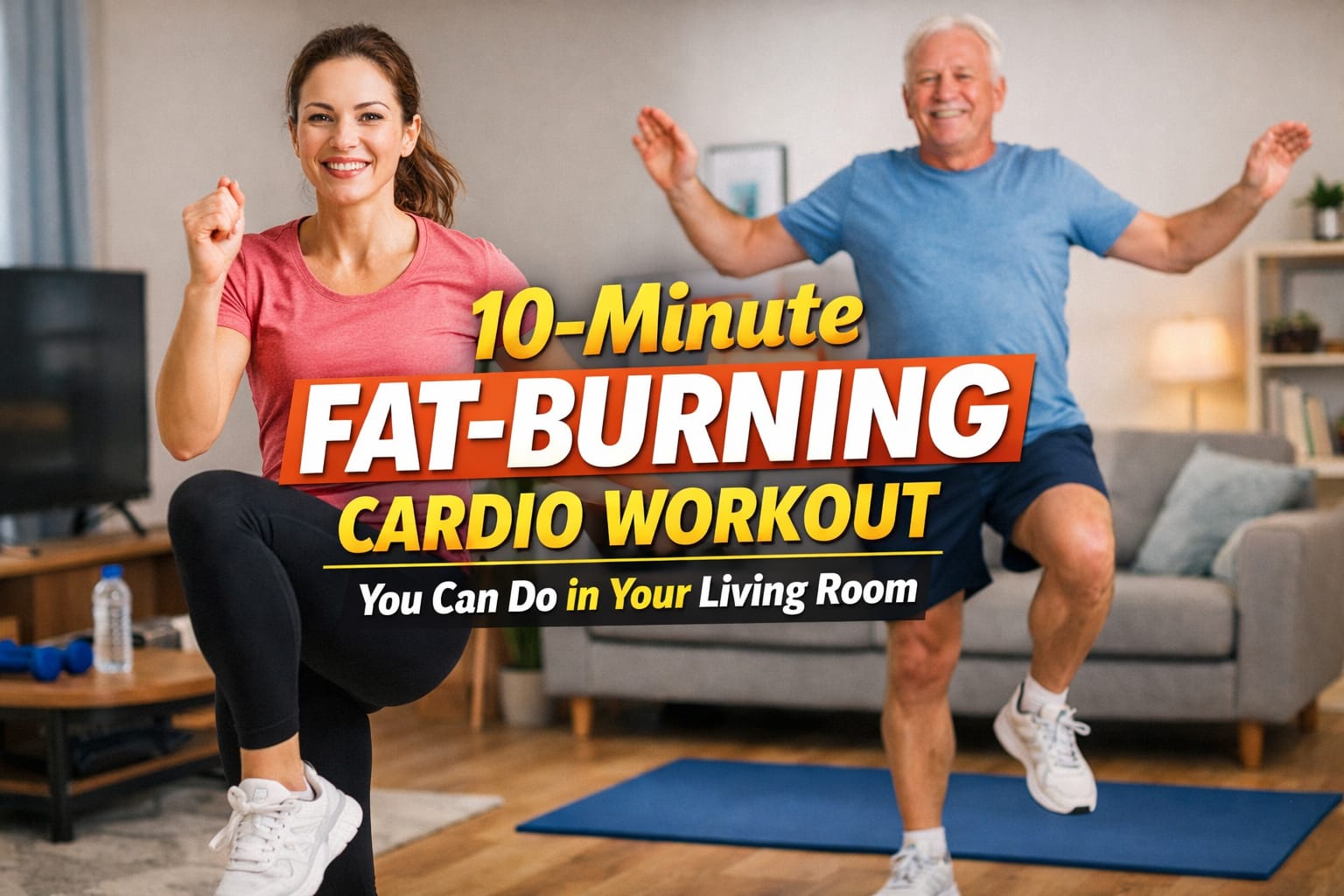
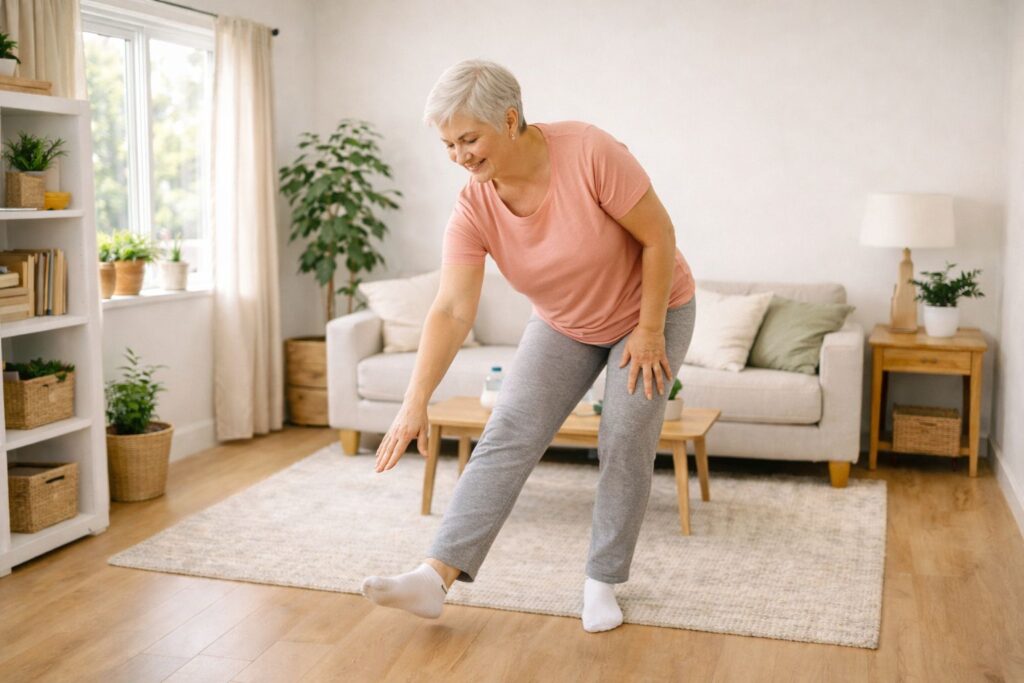
Finding time to exercise can be tough. In fact, the American Heart Association notes that one of the biggest barriers people face is simply a lack of time: work, family, and other obligations often push workouts aside. But even a few minutes of movement can help. New research suggests that short bursts of exercise trigger powerful benefits – for example, just 10 minutes of intense activity can release anti-cancer molecules in the blood and signal beneficial metabolic changes. In other words, you don’t need a full hour at the gym to get results. A quick 10-minute fat-burning workout in your living room can boost your mood, elevate your heart rate, and start burning calories right away.
What Is a Fat Burning Workout?
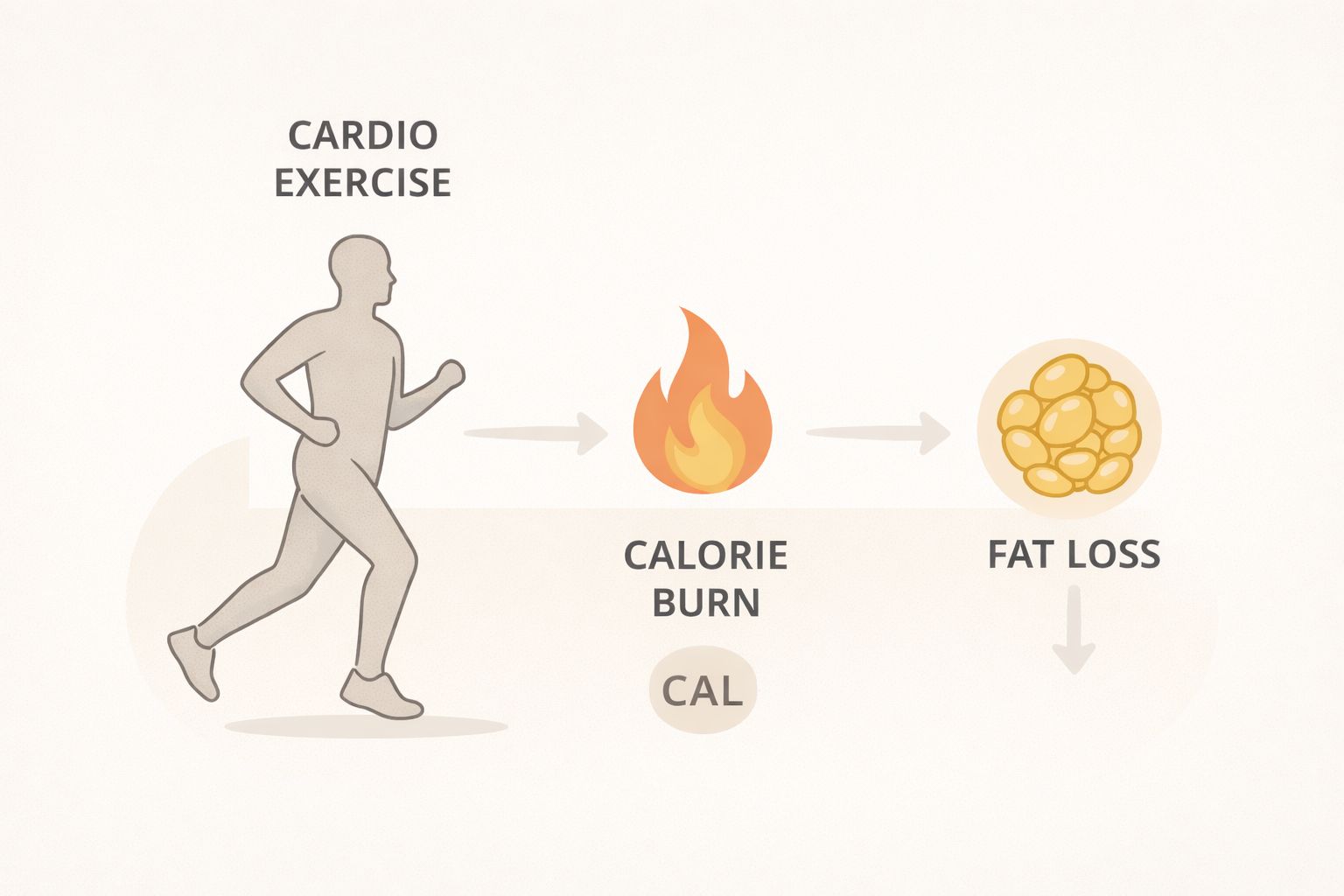
A “fat-burning workout” usually refers to a cardio routine aimed at reducing body fat by burning calories. In practice, it’s not magic — any exercise that burns more calories than you consume will ultimately reduce fat. Some people focus on the so-called “fat-burning zone,” a moderate pace where the body uses a higher percentage of fat for fuel. However, fitness experts point out that high-intensity workouts often burn more total calories and also trigger an afterburn effect, continuing to burn fat even after you stop. For example, a brief high-intensity session might burn fewer calories during the exercise than a longer, slower one, but the intense effort causes your metabolism to stay elevated longer afterward.
In short, a fat-burning workout is simply one that helps you burn significant calories (and thus body fat) over time. For beginners, that can mean moderate cardio that’s easy to start, or adding short bursts of intensity if you’re able. Either way, remember that diet plays a huge role too: as one expert article warns, you can’t out-exercise a bad diet. To lose fat, focus on burning more energy than you take in. Exercise boosts your burn, but healthy eating is the fuel that gets you there.
Why Short Cardio Workouts Work
It may seem counterintuitive that just a few minutes can help, but science backs it up. Studies show that even very short workouts can deliver real fitness gains. For example, one study compared 10-minute interval bike sprints (with 20-second all-out sprints and rest periods) versus a traditional 50-minute moderate ride. After 12 weeks, both groups saw similar improvements in cardiovascular fitness (VO2 max) and even similar modest fat loss (about a 2% drop in body fat). How?
The short intervals triggered the same muscle and heart adaptations as longer cardio did. The catch is that the intense intervals caused a bigger “afterburn” – your body continued to burn more calories for hours after the workout.
Another study found that even a single 10-minute intense workout can send helpful signals through your bloodstream. Ten minutes on a stationary bike led to the release of molecules that may slow cancer growth by improving DNA repair and gene regulation in cells. As the researcher noted, “Even a single workout can make a difference. One bout of exercise, lasting just 10 minutes, sends powerful signals to the body”.
All in all, short cardio sessions are effective because they:
- Raise heart rate quickly: They get your cardiovascular system working, similar to longer workouts.
- Improve fitness: As shown, even 10-minute HIIT sessions can boost endurance and metabolism nearly as much as 45+ minute workouts.
- Continue burning: Intense bursts create a metabolic afterburn effect, so you burn extra calories while resting afterward.
- Fit into busy schedules: Knowing you only need 10 minutes can overcome the “no time” excuse. As one researcher advises, “Even if you only have 10 or 15 minutes, you don’t have to blow off your workout”.
In short, 10-minute workouts are scientifically sound for beginners: they spark meaningful changes and are far better than doing nothing at all.
Benefits of Working Out at Home
Working out in your own living room has huge advantages, especially for beginners:
- Convenience and Time Savings: No commute to the gym, no waiting for machines. You can just roll out of bed and go. Harvard Health notes you don’t need fancy equipment or a special space – basic moves like squats and rows can be done in a living room. Baylor University experts agree: even in a small home space, “bodyweight exercises are just as effective as using weights”.
- Comfort and Privacy: Beginners often feel self-conscious at the gym. At home, you can exercise without pressure. Do jumping jacks in your pajamas or play your favorite music. This comfort can make you more likely to stick with it.
- Cost Savings: No gym membership fees or expensive gear needed. You can use a sturdy chair or just your bodyweight. The Baylor College of Medicine notes you can build strength and endurance at home with “little to no equipment.”
- Flexibility: You set the schedule. If you only have a 10-minute window, you can squeeze it in. This flexibility makes consistency easier. As the AHA points out, walking during TV commercials or doing mini-breaks of activity at home is a great way to fit in exercise.
In short, home workouts eliminate many barriers. You save time and money, avoid crowds, and can move at your own pace. Physical therapists encourage beginners to start at a comfortable level at home (e.g., wall push-ups or chair squats) and gradually increase intensity. As Dr. Eric L’Italien of Harvard explains, you can “get a good workout in the comfort of your own home, even if you don’t have a dedicated workout space or fancy machines”.
Safety First: Warm-Ups, Modifications & Tips
Before any workout, safety is key – especially for beginners, seniors, or anyone with joint issues. Always start with a warm-up to prepare your body. As an Aging Assistant health expert notes, as we age or begin exercising, our muscles and joints need gentle prep: “spend just 5 to 10 minutes on preparatory movements [to] lubricate the joints and prime the nervous system”. In practice, this means doing dynamic stretches and movements (not static stretching) to gradually raise your heart rate.
Health professionals recommend the following safety tips for beginners:
- Always Warm Up (5–10 minutes): Begin with easy movements to get blood flowing. Examples: marching in place, arm circles, gentle torso twists, ankle rotations. Dynamic stretching “increases blood flow to muscles and prepares your body for action”. A warm-up widens your blood vessels and raises muscle temperature, which reduces injury risk.
- Start Slow and Listen to Your Body: Begin at a level that’s challenging but not painful. Healthline advises beginners to “start slow… allow your body time to adapt” and not overdo it at first. If you feel dizzy, light-headed, or your joints hurt, stop and rest. Take longer rest breaks as needed. There’s no rush; even a slow pace burns fat over time.
- Use Proper Form: Good technique prevents strain. For example, when squatting, don’t let your knees cave inward or shoot far past your toes. Keep your chest up and spine neutral. If unsure, practice the move in front of a mirror or use a stable chair for support (as Harvard suggests for squats). You can also hold onto a wall or the back of a chair for balance.
- Modify for Comfort: If you have joint pain or limited mobility, use low-impact versions of exercises. For example, instead of full jumps (which can jar knees), do step jacks (tapping one foot out at a time while raising your arms). If running in place is too harsh, simply march with high knees. If you have balance issues, hold onto a chair or counter. These small tweaks keep you moving safely.
- Stay Hydrated and Fuel Up: Drink water before and after your workout. Being hydrated helps prevent cramps. Healthline also reminds us to “fuel properly” – eat a balanced meal or snack before exercise so you have energy, and refuel afterward with protein and veggies.
- Check with a Doctor if needed: Especially if you have chronic health conditions (heart, respiratory, etc.), talk to your physician before starting. But in general, 10 minutes of light cardio is considered safe for most people.
By following these tips, you’ll keep workouts effective and injury-free. As one expert puts it, “warmup before any workout or sport is critical for preventing injury and prepping your body”. Always prioritize safety over intensity.
5-Minute Warm-Up Routine
Begin with a quick 5-minute routine of dynamic, full-body movements. This wakes up your muscles and gets your heart pumping. Here’s a simple warm-up you can do in place in your living room:
- March or Light Jog in Place (1 minute): Stand tall and gently march, lifting your knees and swinging your arms. If you want more intensity, pick up the pace to a light jog. This first move raises your heart rate.
- Arm Circles (30 seconds forward, 30 sec backward):
Extend your arms to the sides and make small circles, then reverse direction. This mobilizes your shoulders and upper back. - Shoulder Rolls (15 forward, 15 backward): Roll your shoulders slowly in big circles to release tension.
- Torso Twists (30 seconds): With feet hip-width apart and knees slightly bent, gently twist your upper body side to side. Swing your arms naturally. This warms up your spine and core.
- Leg Swings or Hip Circles (30 seconds each side): Hold onto a wall or chair if needed. Swing one leg forward/backward 10–15 times, then switch legs. This loosens up the hips and hamstrings.
- Side Steps or Step Touches (1 minute): Take wide steps side-to-side, tapping a foot out and bringing it back in. Add arm reaches overhead, or side stretches.
These movements are all about dynamic stretching. Planet Fitness recommends dynamic stretches “before any workout” to engage muscles through their full range of motion. They increase blood flow and flexibility. Spending just a few minutes on these warm-up moves “significantly reduces the risk of strains and makes your actual workout feel much easier”.
By the end of the warm-up, your body temperature should be up, you should be breathing a bit faster, and your muscles should be ready for action. Now you’re set for the fat-burning workout itself!
The 10-Minute Fat-Burning Cardio Workout
This quick routine has five simple exercises that beginners can do. Perform each move for about 45–60 seconds, with minimal rest (10–15 seconds) between moves. Repeat the circuit if you wish to extend the workout, but even one round will get your heart pumping. Each exercise targets large muscle groups and keeps your body moving to maximize calorie burn.
Marching or Jogging in Place
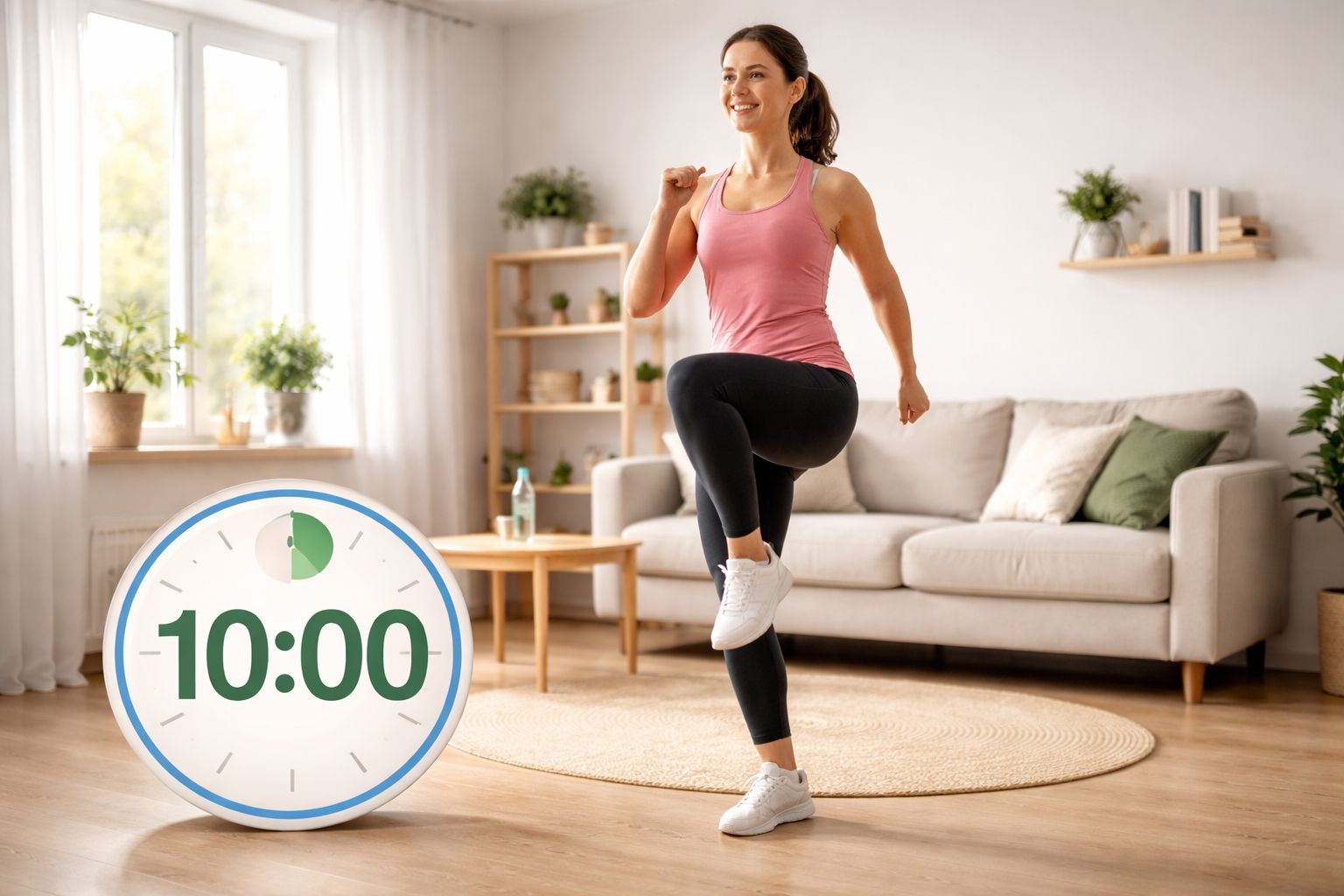
Starting with marching (or jogging) in place is a great way to elevate your heart rate and warm up the legs. It’s low-impact and easy on the joints.
How to do it: Stand tall with feet hip-width apart. Begin marching by lifting one knee up toward your waist and then the other, swinging your arms as you go. Keep a steady pace. If your fitness improves, you can pick up the pace into a light jog, bringing your knees higher.
Beginner Tip/Modification: If jogging feels too intense, simply march. Lift your knees only as high as comfortable and keep the movement smooth. You can also hold onto a countertop or chair for balance if needed.
Benefits: Engages your hip flexors, quads, and core; pumps blood through your body; and improves coordination. It’s a safe way to raise heart rate before progressing to jumping movements.
Common Mistakes: Don’t lean forward or hunch your shoulders. Keep your back straight. Also, avoid stomping the feet; land softly on the balls of your feet. Make sure to pump your arms – this turns it into a full-body cardio move.
Jumping Jacks (Plus Low-Impact Version)
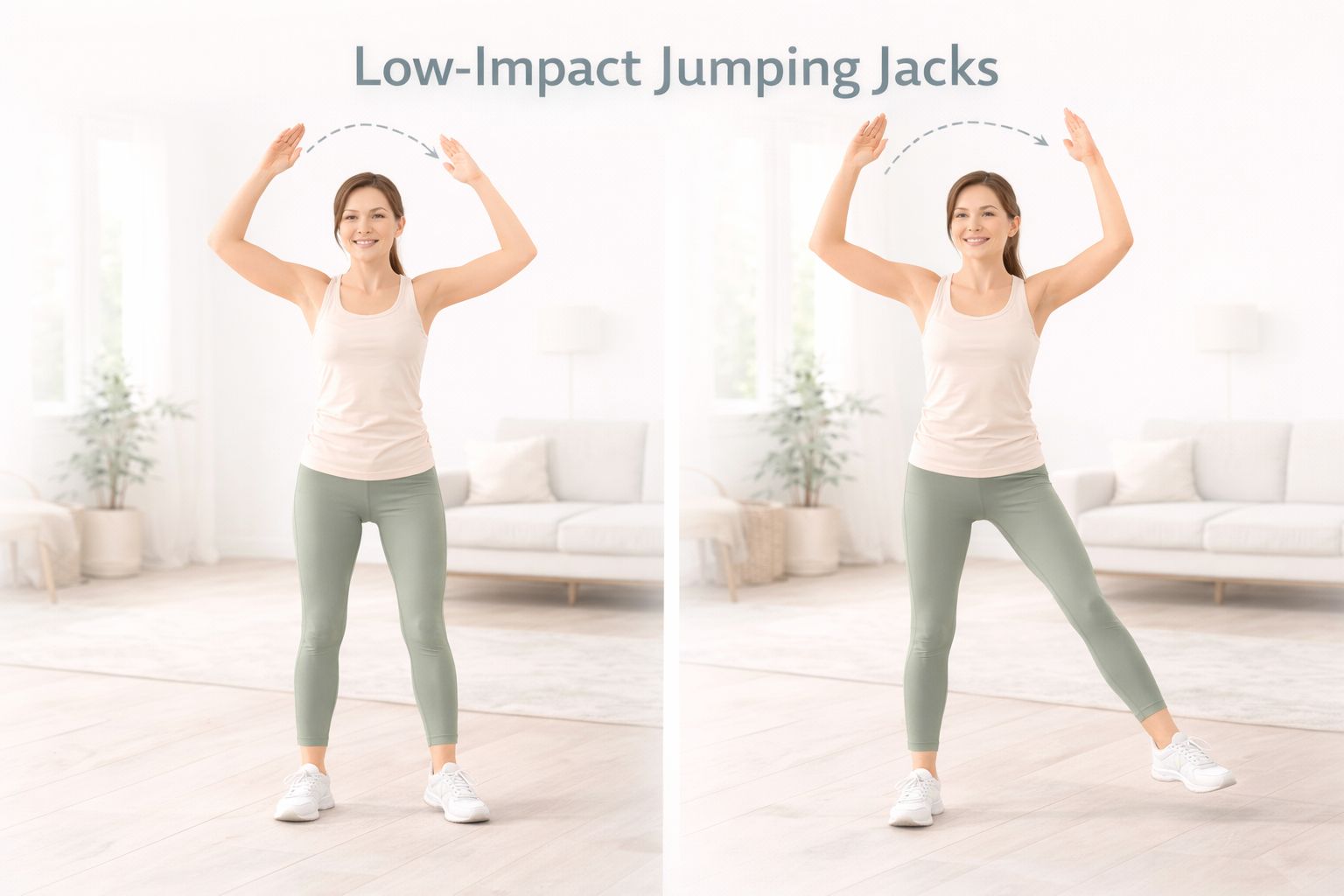
Jumping jacks are a classic cardio move that works almost every muscle in the body. They raise your heart rate quickly and burn calories.
How to do it: Stand with feet together and arms at your sides. Jump your legs out to about shoulder-width while simultaneously raising your arms overhead. Immediately jump back to the starting position (feet together, arms down). Continue fluidly.
Low-Impact Modification: If jumping is too hard on your knees, do “step jacks.” Instead of a jump, step your right foot out and lift your arms, then step back. Repeat with your left foot. This keeps the intensity moderate while being gentler on joints.
Benefits: Jacks engage the shoulders, chest, legs, and core. They boost cardiovascular fitness and coordination. The movement helps burn fat because it raises the heart rate and mobilizes large muscle groups. Landing softly on your feet protects your joints.
Common Mistakes: Avoid locking your knees or leaning forward. Keep a slight bend in the knees and a straight back. Also, watch your landing – as Planet Fitness notes, “focus on landing softly on the balls of your feet” to reduce impact.
Bodyweight Squats (with Chair Support Option)
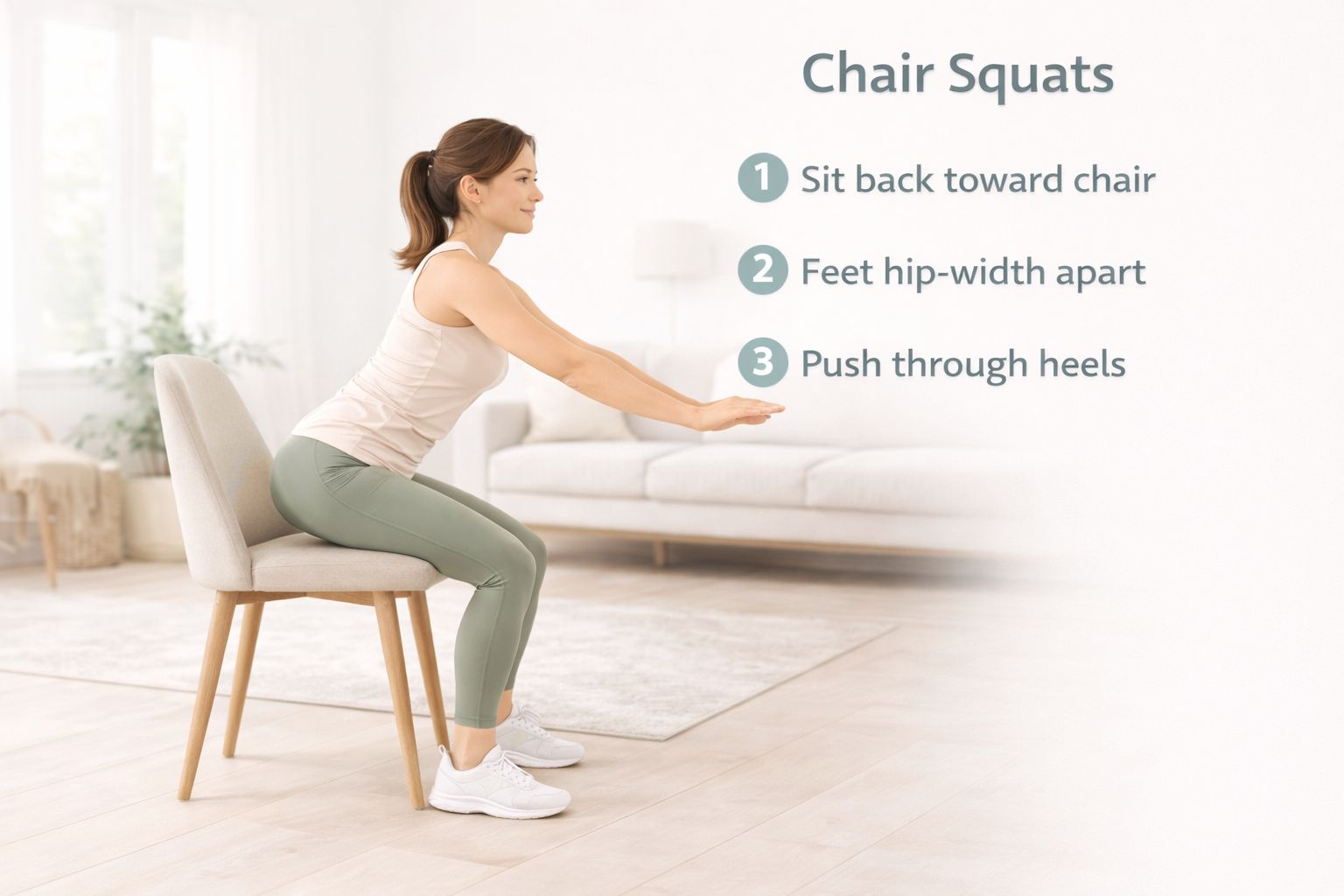
Squats are a powerful full-body move, focusing on legs and glutes while also engaging the core. They burn a lot of calories and help build strength.
How to do it: Stand with feet about shoulder-width apart. Keeping your chest up and back straight, bend your knees and push your hips back as if sitting into a chair. Go as low as comfortable (ideally, thighs parallel to the floor). Press through your heels to stand back up. Keep arms in front of you or clasped atyour chest.
Chair-Assist Modification: For beginners or anyone with balance issues, you can use a chair. Sit back gently onto a sturdy chair and then stand back up. Harvard Health recommends this “for an easier version of the squat”. You may lightly push on the chair’s arms if needed. Over time, try standing without using the chair.
Benefits: Squats target quads, hamstrings, glutes, and even your core for stability. Strong legs and glutes mean a higher metabolic rate – “boost your muscle mass, you burn more calories both during and after exercise”. Squats also improve balance and posture.
Common Mistakes: Avoid letting the knees cave inward or shoot too far past your toes. Keep your weight mostly in your heels. Don’t arch or round your lower back. Be sure to push your hips back as you lower, and keep your spine neutral. Using a chair helps you learn the motion safely.
Standing Knee Raises
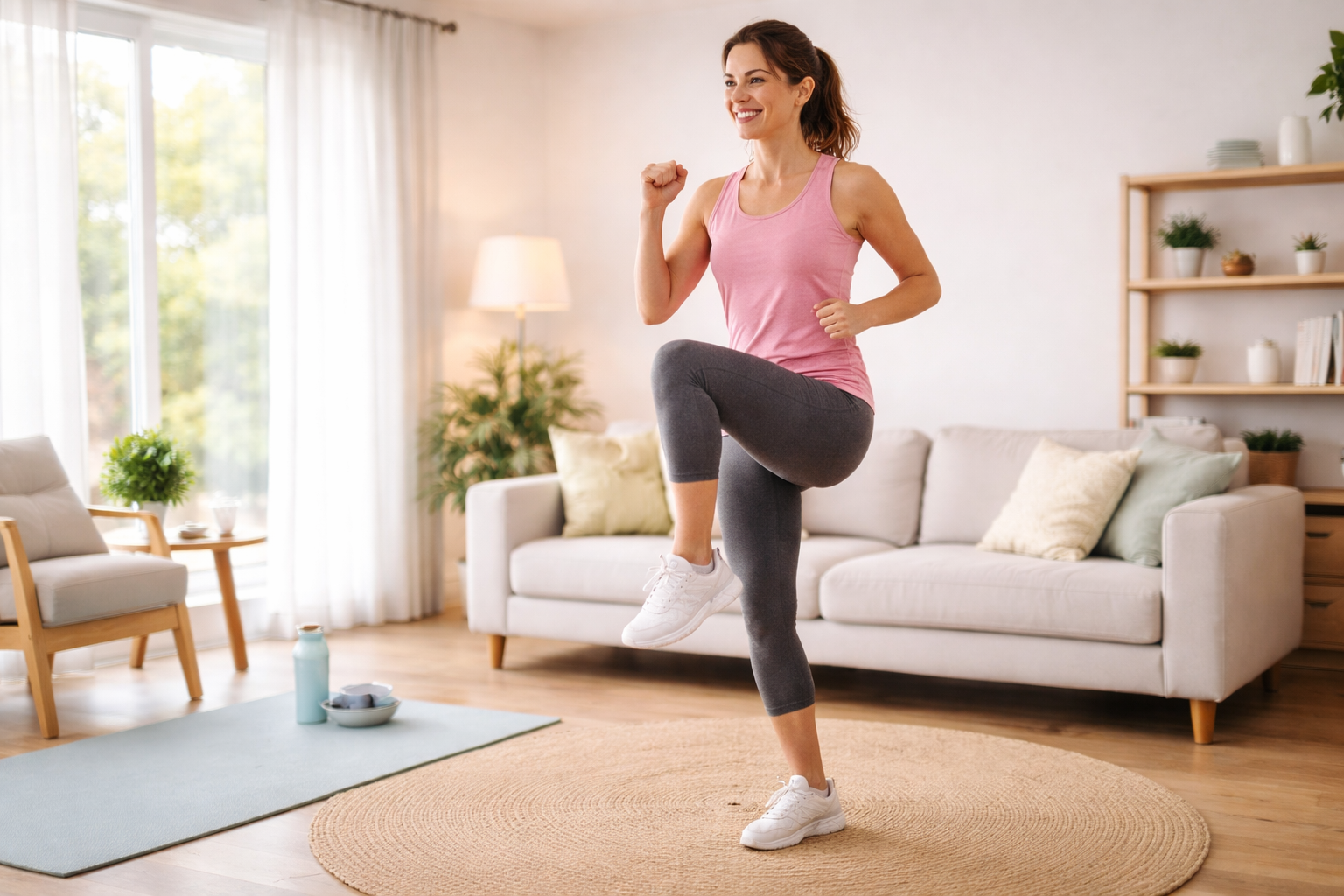
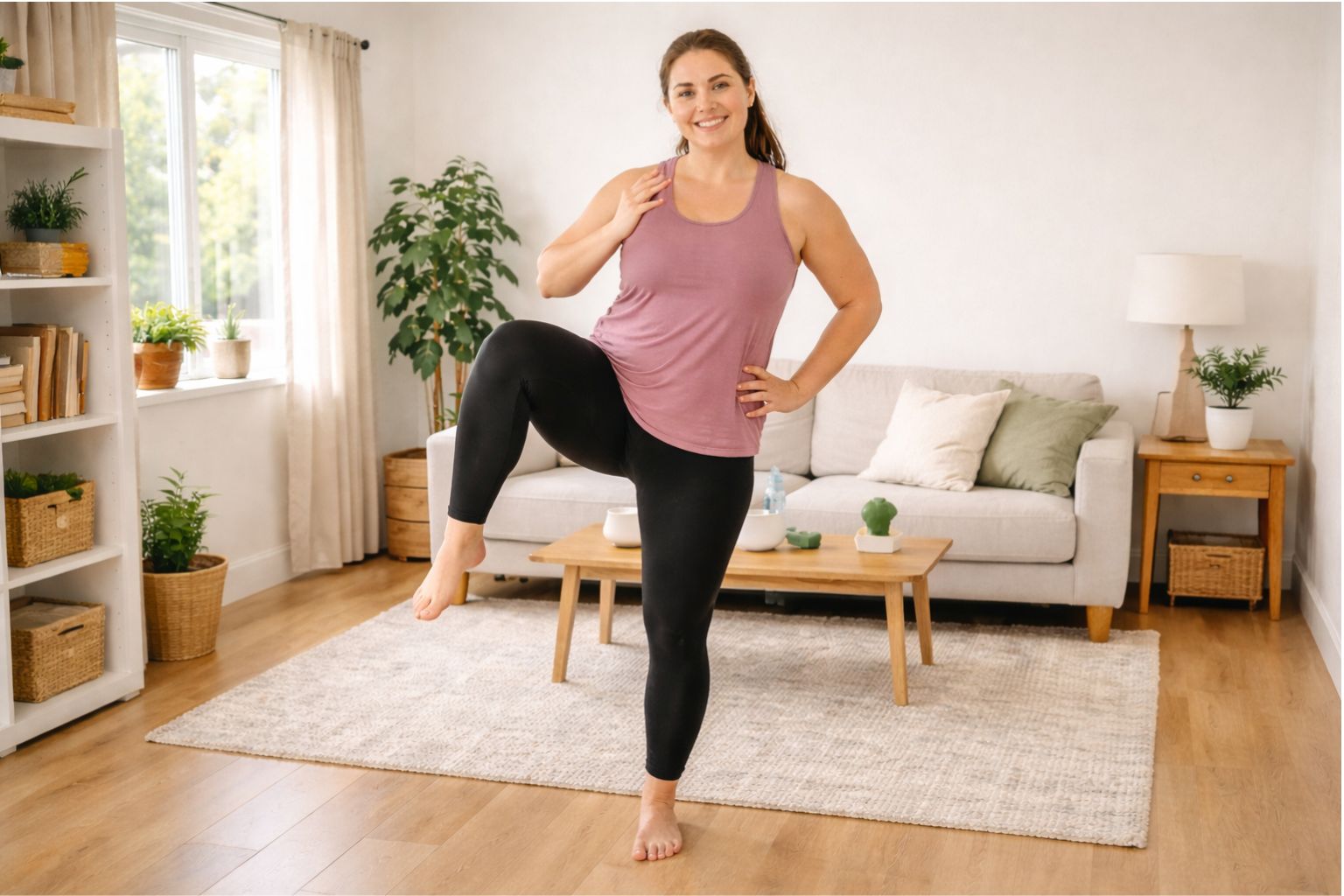
Standing knee raises are a gentle cardio move that also works the hips and core. They get your heart rate up without impact.
How to do it: Stand with feet hip-width. apart Place your hands on your hips (or hold a wall for balance). Lift your right knee toward your chest as high as comfortable, then lower it. Immediately lift your left knee. Continue alternating knees at a steady pace. You can swing your arms naturally or keep them on your hips.
Beginner Tip/Modification: March in place with higher steps or do the move more slowly. If balance is an issue, hold onto a chair or counter. You can also alternate lifting the knee and punching with the opposite arm for extra coordination.
Benefits: This move strengthens the hip flexors, lower abs, and quads. It also improves balance and core control. Because you’re lifting your legs rapidly, it keeps your heart rate elevated.
Common Mistakes: Don’t use momentum or simply jerk the leg up. Try to lift using your muscles. Keep your back straight (don’t lean backward). If you feel any hip or back pain, raise the knees only halfway.
Arm Punches / Light Cardio Combo
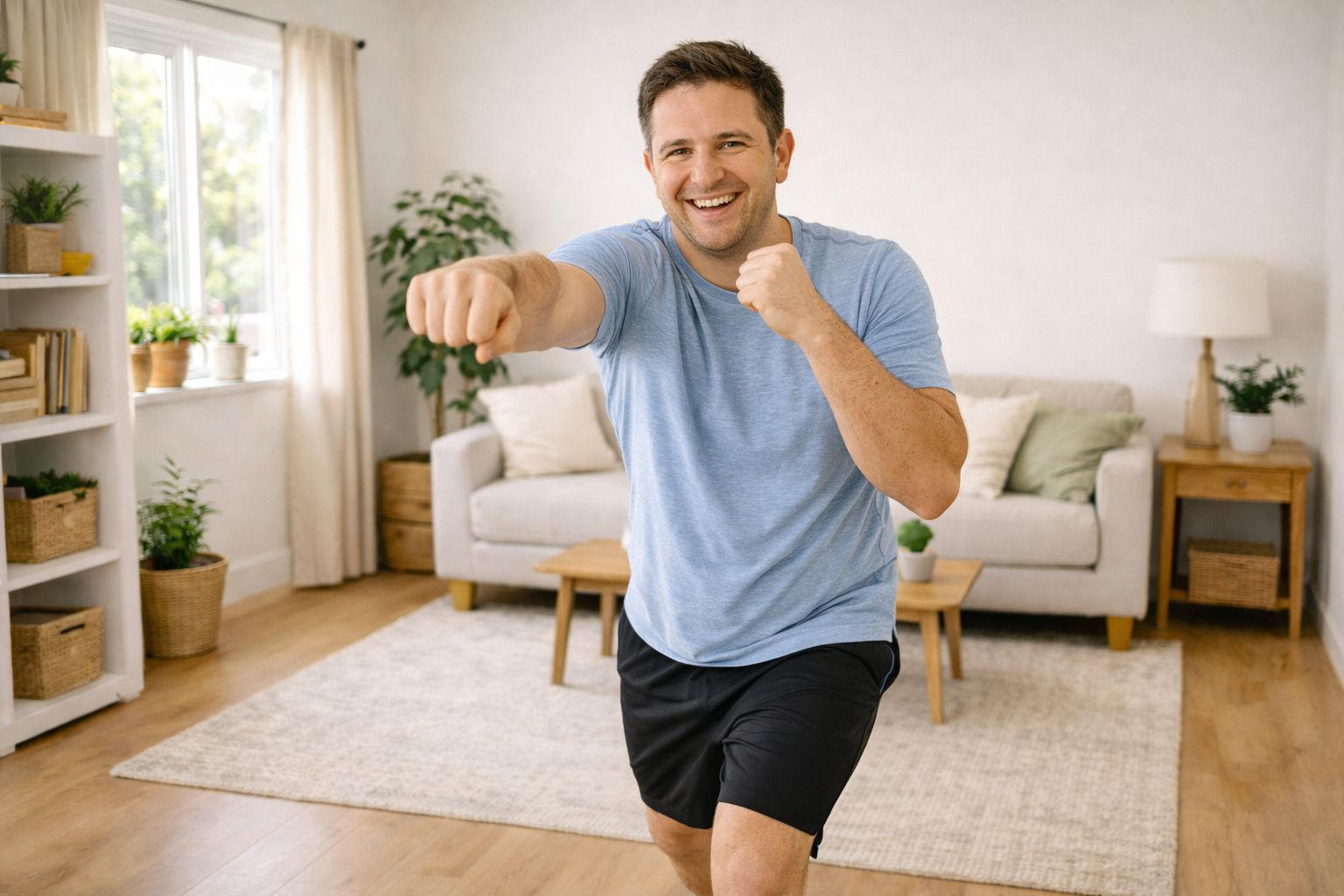
This final move combines gentle cardio with upper-body work. It’s like shadow-boxing – throwing punches in the air.
How to do it: Stand with feet hip-width apart. Extend your arms forward as if punching a target at shoulder height, alternating left and right. You can jab straight out or do slight hooks (like an uppercut motion). Bend your elbows slightly on punches and engage your core. Keep a steady pace, and brace your midsection with each punch.
Beginner Tip/Modification: Keep the punches light and controlled. If you feel off-balance, narrow your stance or slow down. For a rhythm, you can march in place or step side-to-side in sync with punches.
Benefits: Punching is excellent low-impact cardio. It works your shoulders, arms, chest, and core (you must stabilize yourself with your core). It also releases tension and is fun – think of it as stress relief. Raising your heart rate through these quick arm movements contributes to calorie burn and improves coordination.
Common Mistakes: Don’t lock your elbows at the end of the punch; keep a soft bend. Make sure to pivot on your opposite foot a bit when punching to reduce strain. Avoid slouching your shoulders or leaning too far forward. Keep your fists about chin-level (not punching the ceiling too high or down at the floor).
After completing all five exercises, you’ll have spent about 10 minutes moving vigorously. By this point, your muscles are weary, and your heart is pumping – mission accomplished!
Cool-Down and Stretches
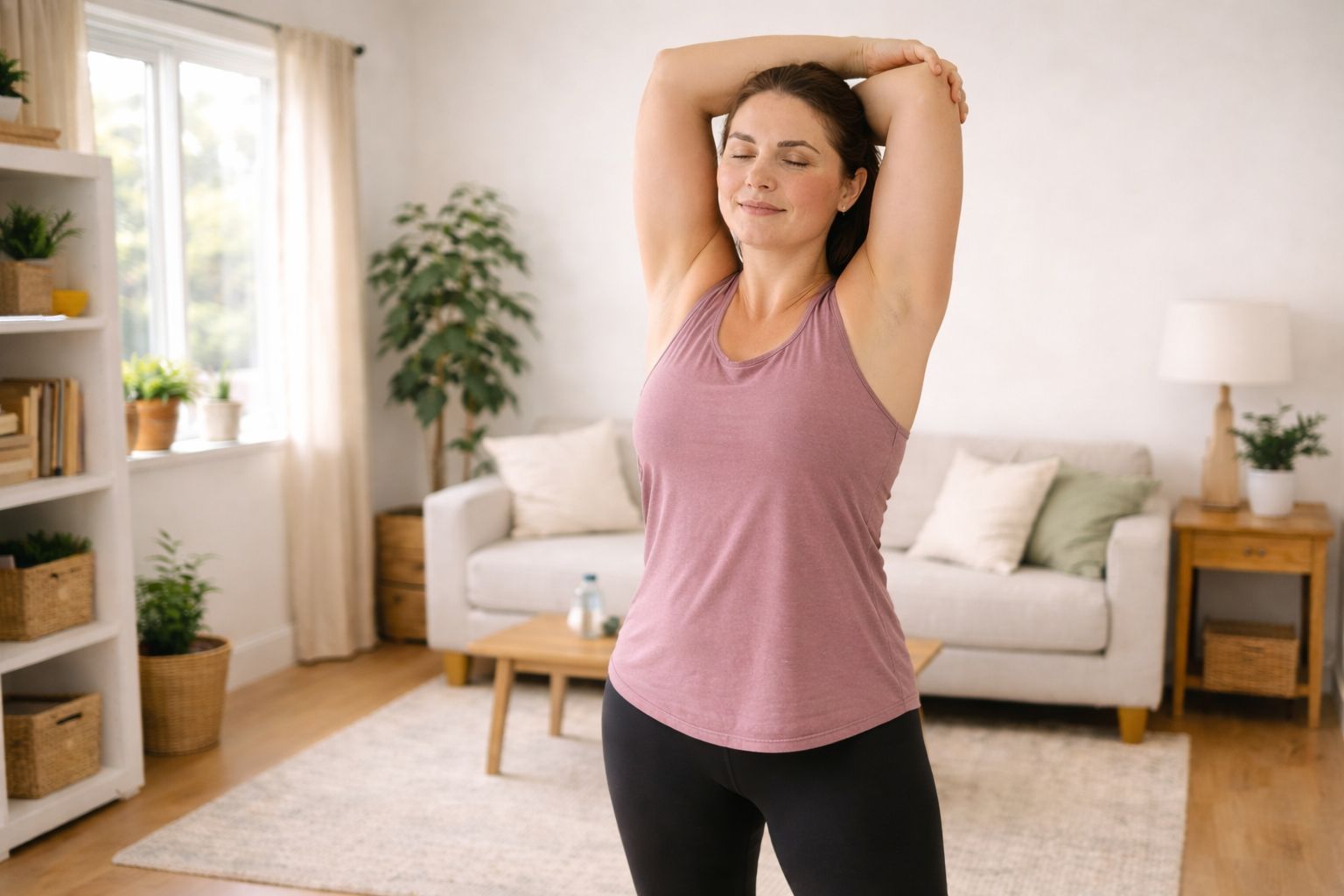
A proper cool-down helps your body recover. The American Heart Association emphasizes that ending exercise with a gradual cool-down is “just as critical” as warming up. Without it, your blood pressure can drop quickly, and you may feel light-headed. Here’s how to wrap up safely:
Slow March/Walk (2–3 minutes): After your workout, keep moving at a much slower pace. March in place or walk around the room, gradually lowering your intensity. This allows your heart rate and breathing to slowly return toward normal.
Stretch Major Muscle Groups (15–30 seconds each): Now that your muscles are warm, stretch them gently. Hold each stretch without bouncing. AHA recommends holding 10–30 seconds while breathing deeply. Focus on:
Calf Stretch: Step one foot back and press the heel down.
Quad Stretch: Stand on one leg, bend the other knee, and hold your foot to bring your heel toward your buttocks.
Hamstring Stretch: Extend one leg forward with the heel on the ground and lean gently forward from the hips.
Chest Stretch: Clasp your hands behind your back and lift your arms slightly to open the chest.
Shoulder/Triceps Stretch: Bring one arm across your chest or overhead and gently assist with the other arm.
Breathing and Relaxation: Take deep, slow breaths as you stretch. Exhale as you deepen each stretch and inhale before relaxing it. This helps flush out lactic acid and reduces soreness.
Cooling down in this way
keeps blood flowing, reduces muscle stiffness, and signals to your body that the workout is ending. As the AHA puts it, a good cool-down “keeps the blood flowing” and prevents you from feeling faint. Always finish with a few static stretches in the living room before you call it a day.
How Often to Do This Workout
Aim for 3–5 sessions per week to start. Over time, you can increase frequency as you feel stronger. The goal is consistency. According to the CDC, adults should aim for at least 150 minutes of moderate aerobic activity per week (about 30 minutes on 5 days). The good news is you can break that into small chunks. In fact, the CDC explicitly says you don’t have to do it all at once – 150 minutes can be “spread out… and broken up into smaller chunks”.
So, for example, you could do this 10-minute workout once each day (6 days a week) to equal an hour. Or do it on Monday/Wednesday/Friday, and take a brisk 15–20 minute walk or do gentle yoga on alternate days. On rest days, try light activities like stretching, walking, or even household chores to keep moving.
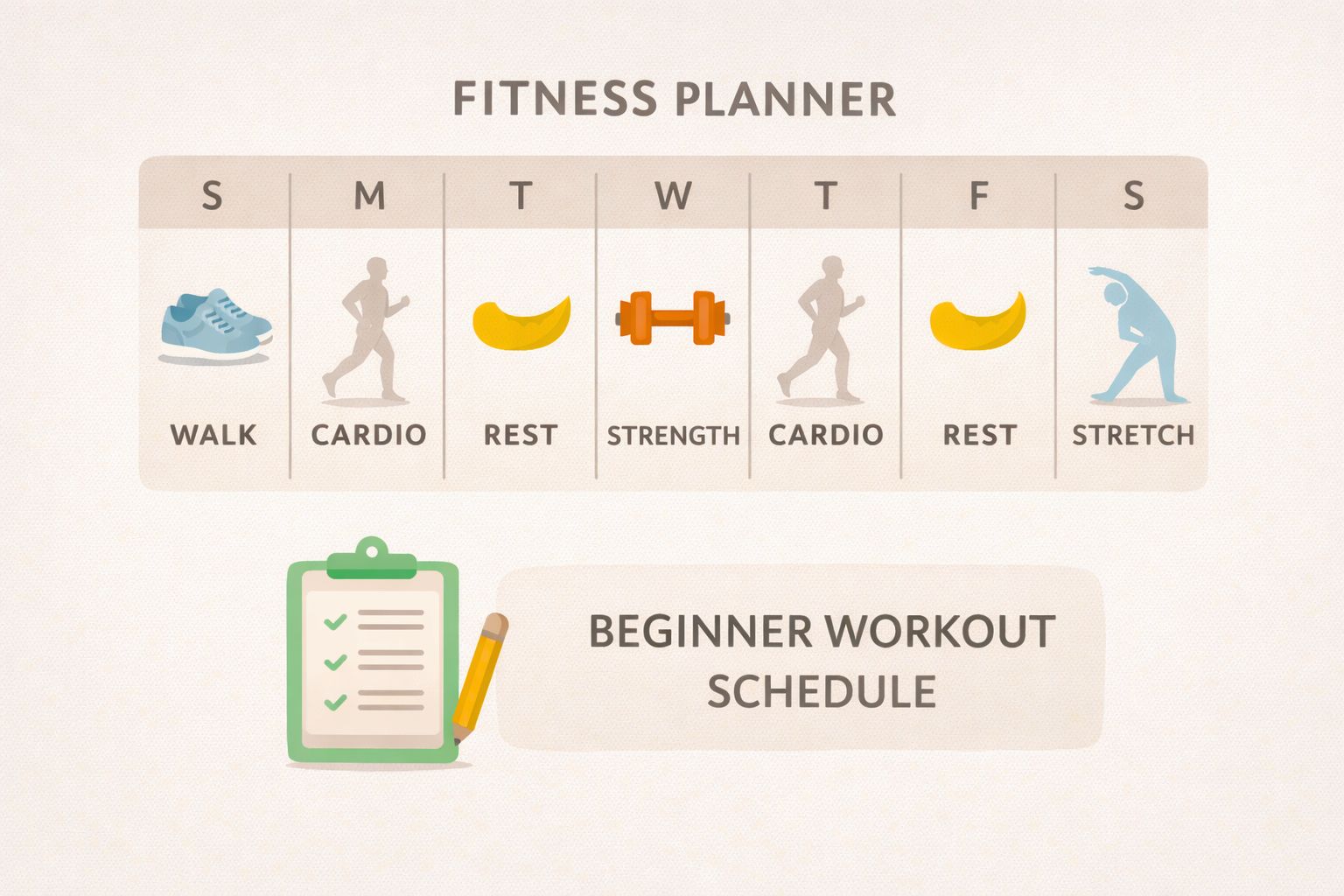
A beginner schedule might look like this:
- Monday / Wednesday / Friday: 10-minute fat-burning routine (5 exercises).
- Tuesday / Thursday: 20–30 minute brisk walk or gentle yoga at home (active rest).
- Saturday: Optional 10-minute session or fun activity (dancing, hike, bike ride).
- Sunday: Rest and recovery.
Adjust based on how you feel. If 10 minutes feels easy, you can repeat the circuit twice (20 minutes), or do a second round later in the day. Just ensure at least 1–2 rest days per week to allow muscles to recover, especially if you feel sore. Listen to your body – if joints ache or you’re exhausted, take an extra rest day. Consistency matters more than intensity at first.
As your fitness improves, you can gradually extend each session or add other workouts. Even after finishing this quick routine, you might combine it with longer walks or beginner yoga on other days. For example, you could add a daily walk after dinner, or practice a short yoga flow in the morning. Small increases over time will compound into big results.
Nutrition Tips for Beginners
Exercise and diet go hand-in-hand for fat loss. Here are some simple, beginner-friendly nutrition strategies:
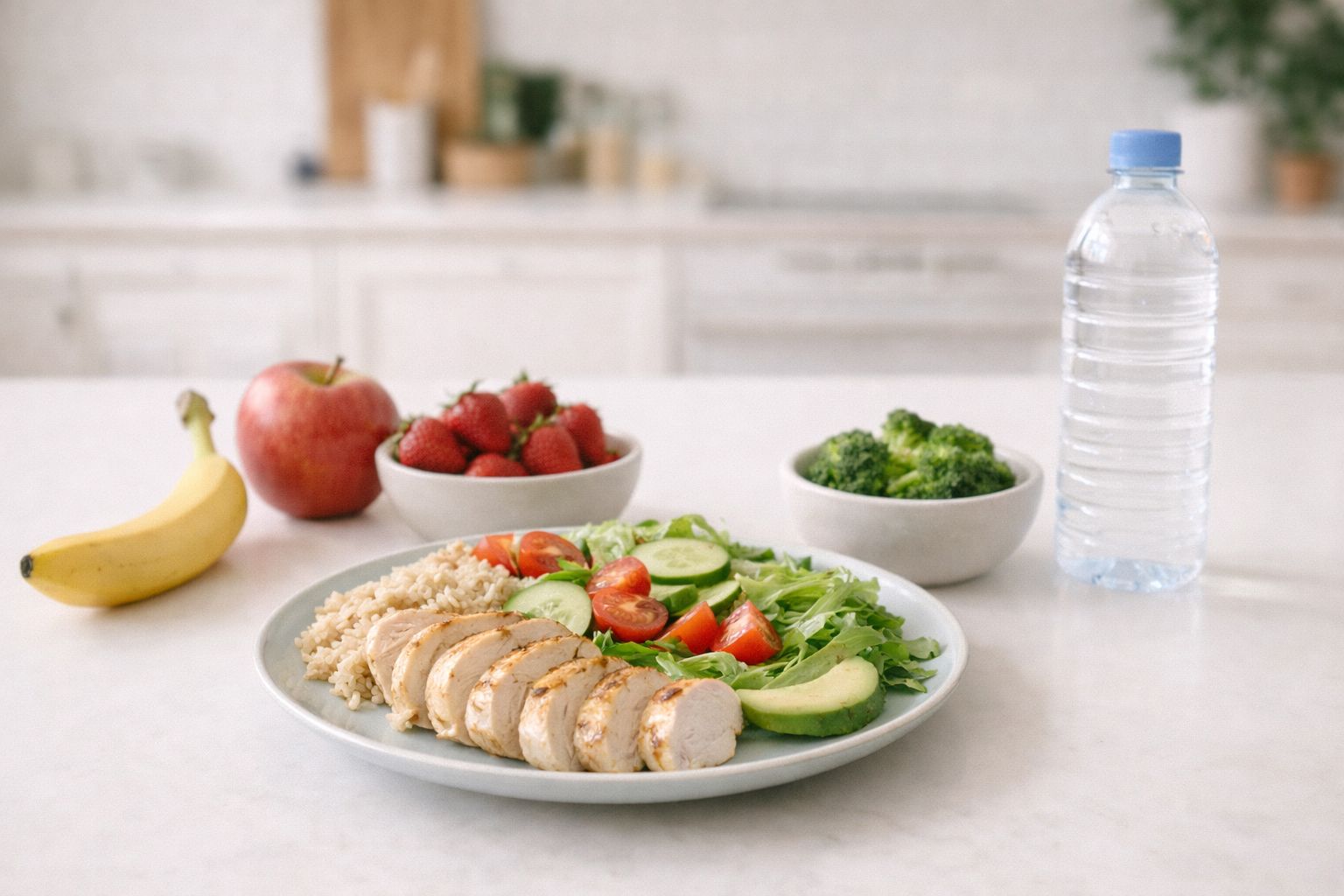
- Focus on Whole Foods: Fill most of your plate with fruits, vegetables, lean proteins, and whole grains. According to Mayo Clinic, eating more plant-based foods (fruits, veggies, whole grains) helps reduce calories naturally because they are high in fiber and nutrients. Fiber especially helps you feel full longer.
- Lean Proteins: Include a source of protein at each meal (chicken, fish, beans, tofu, eggs, etc.). Protein boosts satiety and preserves muscle. Health experts note that adequate protein can reduce appetite and help maintain your metabolic rate during weight loss.
- Healthy Fats (in moderation): Avocados, nuts, olive oil are good in small amounts. But remember, they are calorie-dense. Mayo Clinic advises using healthy fats sparingly and watching portions.
- Limit Added Sugar and Processed Foods: Cut back on sugary drinks (soda, sweet coffee drinks) and sweets. Low-fat or “diet” packaged foods often hide extra sugar, which can make you hungrier. Mayo Clinic specifically recommends limiting foods and drinks with added sugars (sodas, desserts, candies).
- Stay Hydrated: Drink plenty of water throughout the day. Sometimes thirst is mistaken for hunger. Having a glass of water before meals can help control your intake.
- Watch Portions: Beginners often underestimate how much they eat. Use smaller plates, measure portions, or read labels to stay aware. Eating slowly and mindfully can help – Mayo Clinic suggests “focus on each bite of food” and avoid distractions so you notice when you’re full. Try not to eat in front of the TV or phone, as it’s easy to overeat when distracted.
- Balance and Sustainability: Don’t try fad diets. Instead, make small changes that you can keep up with. For example, swap white rice for brown rice, have a salad or veggie with your main course, and choose water instead of juice. Aim for progress, not perfection.
Remember, you burn fat by maintaining a moderate calorie deficit. If you eat slightly fewer calories than you burn, you’ll lose about 1–2 pounds per week as a healthy rate. Focus on building a balanced eating habit rather than extreme restriction. Over time, these better food choices will naturally support your workout efforts.
Common Beginner Mistakes (and How to Avoid Them)
Starting out, it’s easy to fall into pitfalls. Here are mistakes beginners often make – and how you can steer clear:
- Skipping Nutrition Planning: Failing to address your diet is a big trap. You can’t outrun an unhealthy diet. Research notes that diet may matter even more than exercise for fat loss. Solution: Pair your workouts with better eating (see tips above). Don’t rely on exercise alone to fix overeating.
- Doing Only Cardio, Ignoring Strength: Many beginners do endless cardio and skip strength training. This can lead to muscle loss and a slower metabolism. Healthline stresses combining cardio and strength training for the best fat loss. Even with a 10-minute routine, you’re using bodyweight (which builds muscle), but as you progress, add simple strength moves (push-ups on knees, planks, lunges) a couple of times a week.
- Going Too Fast or Too Hard: Jumping into very intense workouts before your body is ready can cause injury or burnout. Overexercising is unsustainable. On the other hand, doing too little (never raising intensity) slows your progress. Solution: Start at a comfortable pace (you should feel challenged but not in pain), and gradually increase reps or speed over weeks. Always emphasize form over speed.
- Skipping Warm-Up or Cool-Down: Neglecting warm-ups invites injury. Likewise, stopping suddenly without cooling down can make you dizzy. Never skip these steps – they protect your body.
- Obsessing Over the Scale: Weight fluctuates daily. Beginners often get discouraged by slow changes on the scale. Instead, focus on non-scale victories: improved stamina, clothes fitting better, or feeling more energetic. Remember, losing fat safely usually means about 1–2 pounds per week – it’s a marathon, not a sprint.
- Thinking “Low-Fat” Means Healthy: Beware marketing. A Healthline review points out that “fat-free” or “diet” foods can be high in added sugars, which can lead to overeating. Always check labels and prioritize whole foods.
- Overestimating Calorie Burn: It’s common to think, “I can eat that extra snack since I worked out.” Studies show people often overestimate how many calories they burn during exercise. The truth: a 10-minute workout might burn only ~50–100 calories depending on intensity. So, be mindful of overeating post-workout. Track your intake or use a fitness app to stay realistic.
- Comparing Yourself to Others: Everyone’s fitness journey is different. Focus on your progress. Celebrate the fact that you’re exercising at home and making changes, rather than getting discouraged by more fit friends or influencers.
By being aware of these pitfalls, you can avoid them. Emphasize consistency, patience, and a balanced approach. As experts agree, sustainable weight loss comes from gradual, healthy habits, not quick fixes or extremes.
Staying Motivated and Consistent
Consistency is the key to any fitness goal. To stick with your 10-minute workouts, try these strategies:
- Set SMART Goals: Make your goals Specific, Measurable, Attainable, Relevant, and Time-bound. Instead of “exercise more,” set a clear goal like “exercise 10 minutes each morning, 5 days a week.” NASM coaches recommend exactly this: for example, “I will exercise for 60 minutes five times per week” is better than a vague promise. Break it down: start with 10 minutes now, and when that’s easy, extend to 15.
- Build a Routine: Attach your workout to a daily habit. Do it after brushing your teeth in the morning, or when you wake up. The more automatic, the better. NASM emphasizes that new exercise habits must be small and sustainable to stick. It’s better to do 10 minutes daily than to set an unrealistic hour-long workout and quit after a week.
- Track Your Progress: Keep a log or use a fitness tracker. NASM notes that using a tracker or journal to record workouts “can help you stay consistent, especially when you feel progress has stagnated”. Seeing your streak of completed workouts or improvements (like more reps) is very motivating.
- Find Accountability: Tell a friend or family member about your plan, or recruit a workout buddy (even a pet counts!). Check in with each other. Post your workout on social media or share with an online group for encouragement. NASM advises that even sharing goals with a friend makes you more likely to follow through.
- Mix It Up: Keep things fresh to avoid boredom. Change the order of exercises, add new moves, or do the workout to different music. You could even turn it into a little dance party for variety. When workouts are fun, you’re more likely to do them.
- Reward Yourself: Celebrate milestones. It could be as simple as giving yourself a relaxing bath after a week of workouts, or new workout clothes after a month of consistency. Positive reinforcement helps cement the habit.
- Focus on Discipline (Not Motivation): Motivation can come and go. NASM points out that “motivation is a fleeting emotion” – it’s better to build discipline by sticking to your routine even when you don’t feel like it. In other words, do your workout because you planned to, not just when you feel excited. Over time, completing workouts becomes rewarding in itself.
- Remind Yourself Why: Keep a list of your reasons for exercising. Mayo Clinic suggests writing down why this matters to you – better health, more energy, playing with kids/grandkids, etc. Look at that list on tough days. Remember that each workout brings you closer to your goals.
By setting clear goals, tracking yourself, and building workouts into your routine, you’ll stay on track. As NASM coaches conclude, healthy behaviors require consistency – so keep showing up for yourself day after day.
FAQ
1. Can a 10-minute workout really burn fat
Yes, short bursts of moderate-to-high intensity movement can elevate your heart rate, boost metabolism, and activate fat-burning processes. Consistency is the key—doing 10-minute workouts daily leads to noticeable results.
2. What is the best 10-minute cardio workout for beginners?
Beginner-friendly moves include marching in place, knee lifts, side steps, low-impact jumping jacks, slow punches, and mini squats. These exercises are joint-friendly and easy to follow at home.
3. Do I need equipment for a 10-minute home workout?
No equipment is needed. Bodyweight movements are enough for beginners. If you want to increase intensity later, you can add light dumbbells or resistance bands.
4. How many calories can I burn in a 10-minute workout?
Most beginners burn between 50 and 120 calories in 10 minutes, depending on intensity, age, and fitness level. Even small daily calorie burns add up over weeks.
5. Is a 10-minute workout enough if I’m just starting?
Absolutely. For beginners, 10 minutes is a manageable way to build endurance, improve mobility, and form a consistent exercise habit without feeling overwhelmed.
6. How often should I do a 10-minute fat-burning workout?
Aim for 5–6 days per week. You can repeat the same routine or mix different cardio movements to stay motivated and challenge your body.
7. What should I do before starting the workout
Warm up for 1–2 minutes with gentle movements like shoulder rolls, slow stepping, or light stretching. This helps prevent injury and prepares your muscles.
Conclusion
You’ve now got everything you need: a proven 10-minute cardio routine, warm-up and cool-down plans, safety tips, and practical advice to make it a habit. Remember, this workout isn’t about perfection – it’s about getting started. Even 10 minutes of movement is progress. It fits into any busy lifestyle and, over time, those 10-minute bursts will add up to real fitness gains.
This workout will boost your heart health, burn calories, and give you energy – all from the comfort of your living room. And best of all, it’s beginner-friendly and safe. So give it a try today: pick a time, clear a small space, and set a timer for 10 minutes. You might be surprised how energized and proud you feel afterward.
Keep track of your progress, celebrate small victories (like doing one more rep or feeling less winded), and remember why you started. As one researcher reminds us: “You don’t have to blow off your workout” just because you’re short on time. Take this small step, and keep building. Your future, healthier self will thank you.