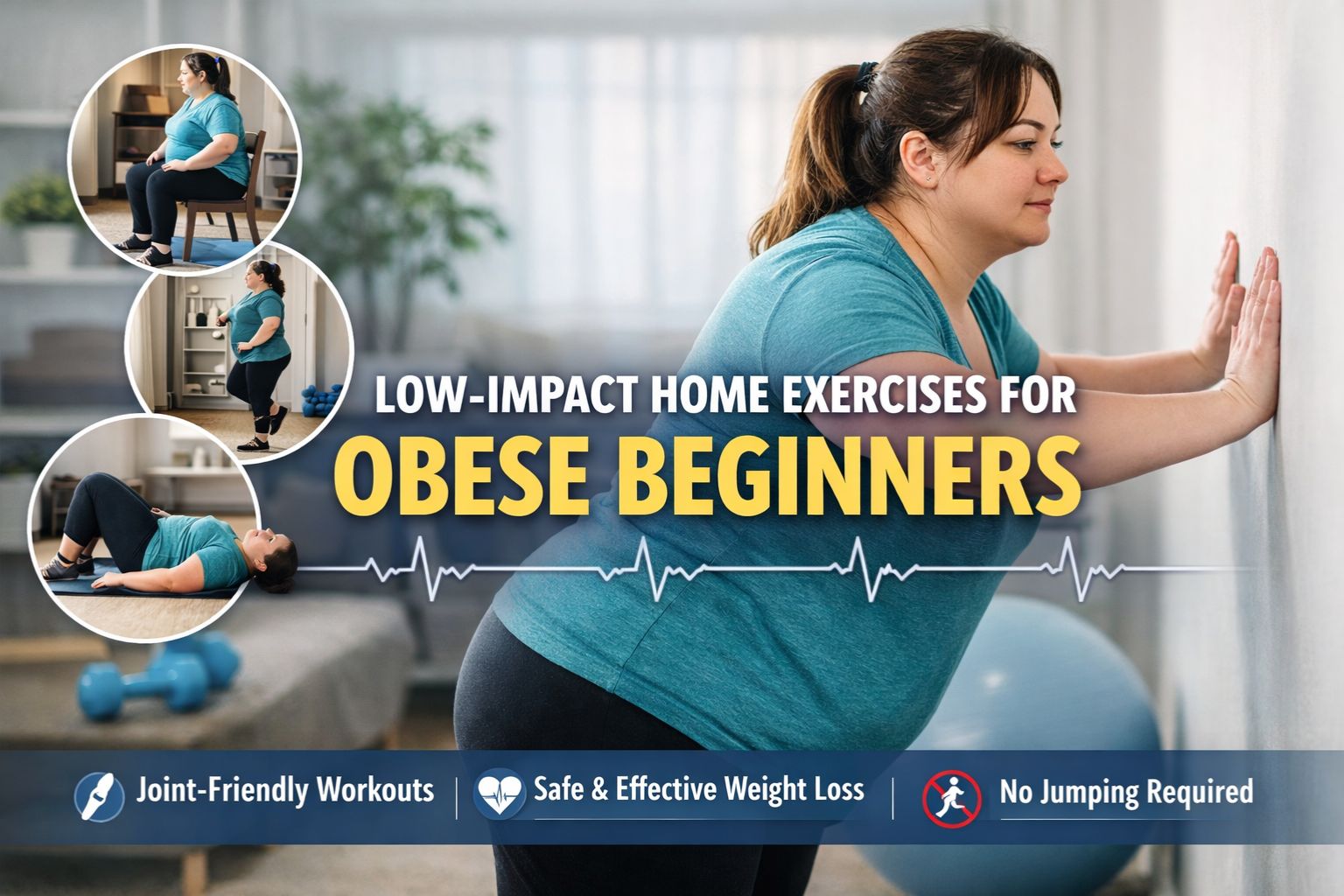
Beginning an exercise routine while living with obesity presents unique physiological challenges. Excess body weight increases mechanical load on joints, alters movement patterns, and elevates the risk of musculoskeletal injury during high-impact activities. As a result, many obese beginners experience discomfort or pain when attempting traditional workouts such as running, jumping, or plyometric routines.
However, exercise remains one of the most evidence-based interventions for improving cardiometabolic health, reducing systemic inflammation, supporting weight loss, and preventing chronic disease.
The solution is not avoiding exercise.
The solution is choosing the correct type of exercise.
Low-impact home exercises offer a clinically appropriate and joint-protective method for obese beginners to improve fitness safely. These workouts minimize ground reaction force, reduce compressive joint stress, and allow gradual physiological adaptation without excessive strain.
This comprehensive guide explains:
- What low-impact exercise means medically
- Why high-impact workouts increase joint risk in obesity
- The metabolic and cardiovascular benefits of low-impact training
- Safety guidelines before beginning
- Ten evidence-based low-impact exercises with instructions
- A structured 20-minute beginner routine
- Calorie burn expectations
- Progressive overload strategies
- Common mistakes
- Nutritional support principles
This approach prioritizes long-term adherence, injury prevention, and sustainable fat loss.
What Is Low-Impact Exercise?
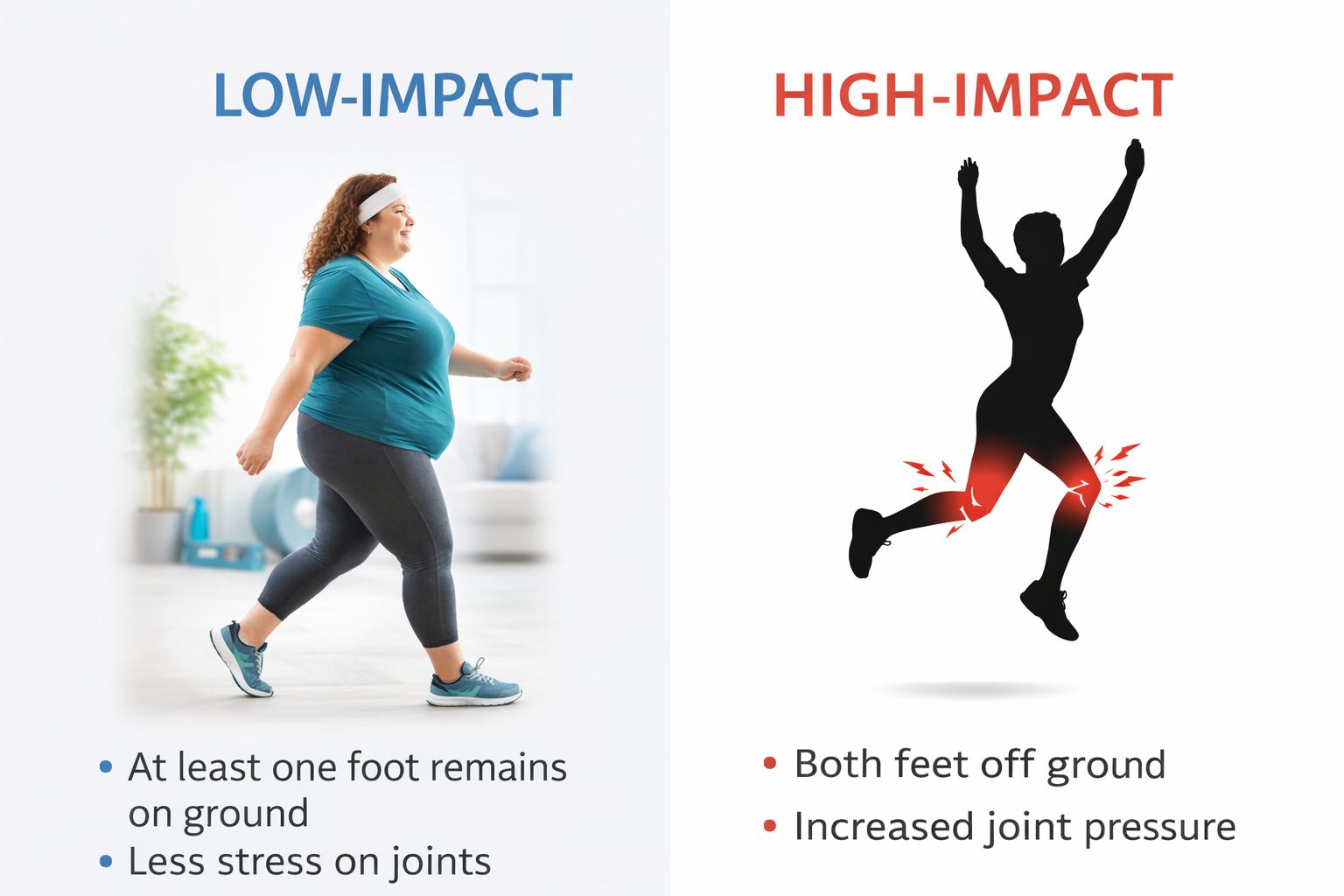
Low-impact exercise refers to physical activity in which at least one foot remains in contact with the ground at all times, thereby reducing vertical impact forces transmitted through the skeletal system.
From a biomechanical perspective, these movements:
- Decrease peak ground reaction forces
- Lower knee joint compressive loads
- Reduce shear stress on hips and spine
- Allow controlled muscle engagement
Unlike high-impact exercise (running, jumping, burpees), low-impact workouts generate cardiovascular stimulus without repetitive joint pounding.
Examples include:
- Brisk walking
- Marching in place
- Step-ups
- Chair squats
- Wall push-ups
- Resistance band training
- Stationary cycling
- Elliptical training
- Water aerobics
- Beginner yoga or Pilates
It is important to clarify:
Low-impact does not mean low intensity. It means reduced joint stress.
An obese beginner can still achieve moderate-intensity cardiovascular output while protecting vulnerable joints.
Why Obese Beginners Should Avoid Jumping Exercises
Obesity significantly alters musculoskeletal loading patterns.
Increased Joint Compression
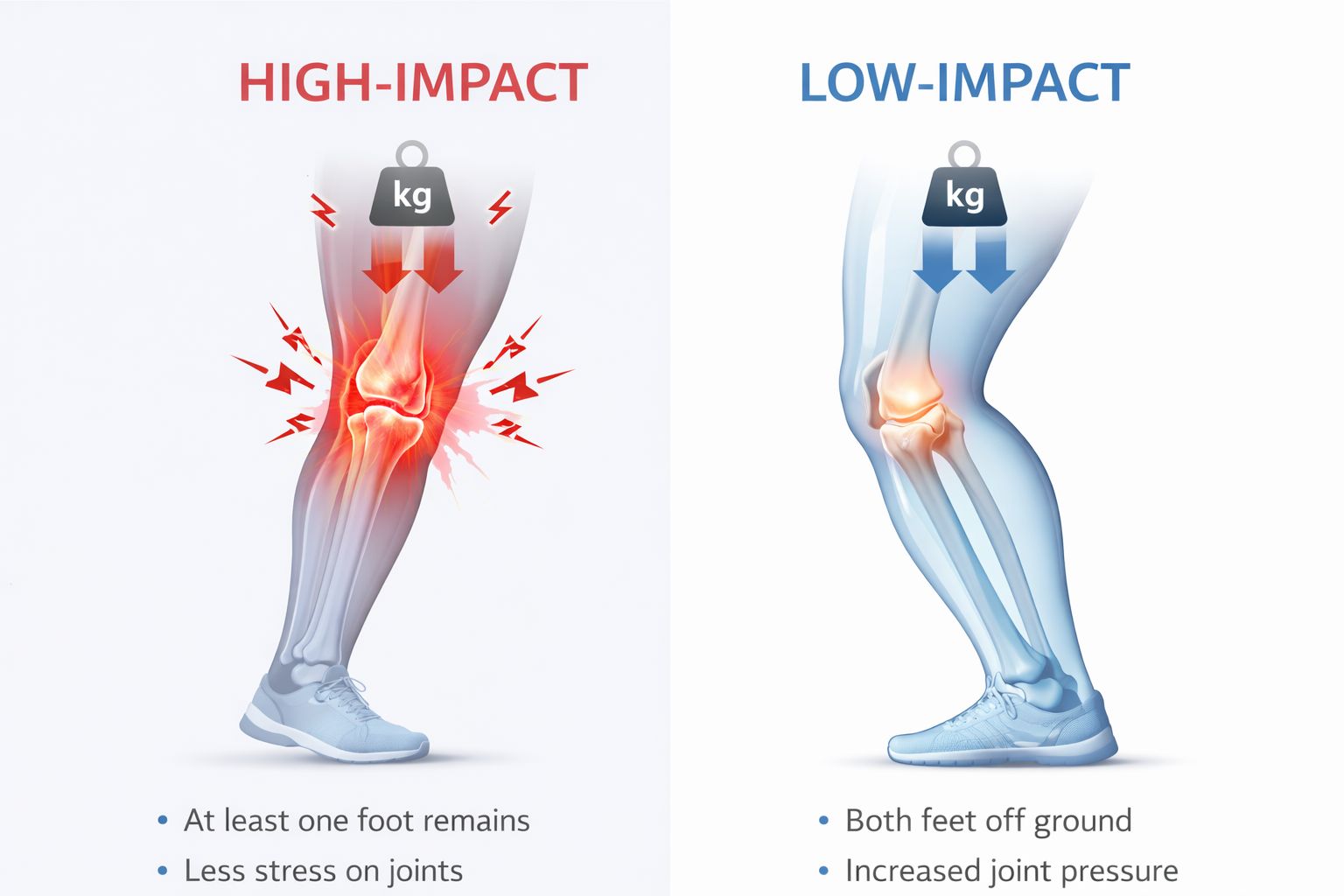
Research demonstrates that for every additional pound of body weight, the knee joint experiences approximately 4–6 pounds of additional force during walking. During running or jumping, this multiplies dramatically — sometimes exceeding 5–8 times body weight per landing.
For an individual weighing 250 pounds, a single jump landing can transmit over 1,000 pounds of force through the knee joint.
Repeated exposure to such forces increases the risk of:
- Patellofemoral pain syndrome
- Meniscal strain
- Ligament irritation
- Accelerated cartilage degeneration
- Early osteoarthritis
Elevated Osteoarthritis Risk
Obesity is one of the strongest modifiable risk factors for knee osteoarthritis. Epidemiological data consistently show that obese adults have a significantly higher lifetime risk of degenerative joint disease.
Adding repetitive high-impact stress compounds this risk.
Inflammation and Recovery Limitations
Obesity is associated with chronic low-grade systemic inflammation. High-impact exercise can exacerbate inflammatory responses in joints and soft tissue, prolonging recovery time and increasing dropout rates among beginners.
Adherence and Psychological Factors
Pain during early workouts frequently leads to discouragement and program abandonment. Low-impact routines minimize discomfort, improving long-term adherence — which is the strongest predictor of weight-loss success.
In clinical weight management, sustainability always outweighs intensity.
Evidence-Based Benefits of Low-Impact Exercise for Obese Beginners
Low-impact training provides nearly identical cardiometabolic benefits as higher-impact exercise when performed consistently.
1. Supports Weight Loss Through Caloric Expenditure
While high-intensity workouts burn more calories per minute, low-impact exercise allows longer duration with lower injury risk.
Sustained moderate activity contributes to:
- Increased total daily energy expenditure
- Improved fat oxidation
- Preservation of lean muscle mass
A consistent 30–45 minute moderate-intensity session can burn 200–400 calories depending on body mass.
Over weeks, this creates measurable fat loss when paired with nutritional control.
2. Improves Cardiovascular Health
Low-impact aerobic activity enhances:
- Stroke volume
- Cardiac efficiency
- Endothelial function
- Blood pressure regulation
Even before substantial weight loss occurs, regular moderate exercise improves:
- Insulin sensitivity
- HDL cholesterol
- Fasting blood glucose
These improvements reduce risk of:
- Type 2 diabetes
- Hypertension
- Coronary artery disease
3. Reduces Systemic Inflammation
Aerobic and resistance training reduce pro-inflammatory cytokines and improve metabolic signaling. For obese individuals, this helps counteract chronic inflammation linked to cardiovascular and metabolic disease.
4. Strengthens Musculoskeletal Support Structures
Resistance-based low-impact exercises strengthen:
- Quadriceps
- Hamstrings
- Gluteal muscles
- Core stabilizers
Stronger musculature reduces joint loading and improves posture, balance, and movement efficiency.
5. Enhances Mobility and Functional Capacity
Improved mobility translates into easier daily activities:
- Climbing stairs
- Standing longer
- Walking greater distances
- Rising from seated positions
Functional gains significantly improve quality of life.
Safety Guidelines Before Starting
1. Medical Clearance
Individuals with uncontrolled hypertension, cardiovascular disease, severe arthritis, or recent injury should consult a healthcare provider prior to initiating exercise.
2. Warm-Up Protocol (3–5 Minutes Minimum)
A proper warm-up:
- Increases muscle temperature
- Enhances joint lubrication
- Improves elasticity
- Reduces injury risk
Begin with gentle marching, shoulder rolls, and light mobility movements.
3. Proper Footwear
Supportive athletic shoes with cushioning reduce stress transmission through knees and ankles.
4. Hydration
Mild dehydration impairs performance and increases perceived exertion. Adequate hydration supports joint lubrication and cardiovascular efficiency.
5. Pain Monitoring
Mild muscular fatigue is acceptable. Sharp pain, chest pressure, or dizziness warrants immediate cessation and evaluation.
10 Best Low-Impact Home Exercises for Obese Beginners
Each exercise should be performed with slow, controlled movement. Begin with 5–10 repetitions.
1. Wall Push-Ups
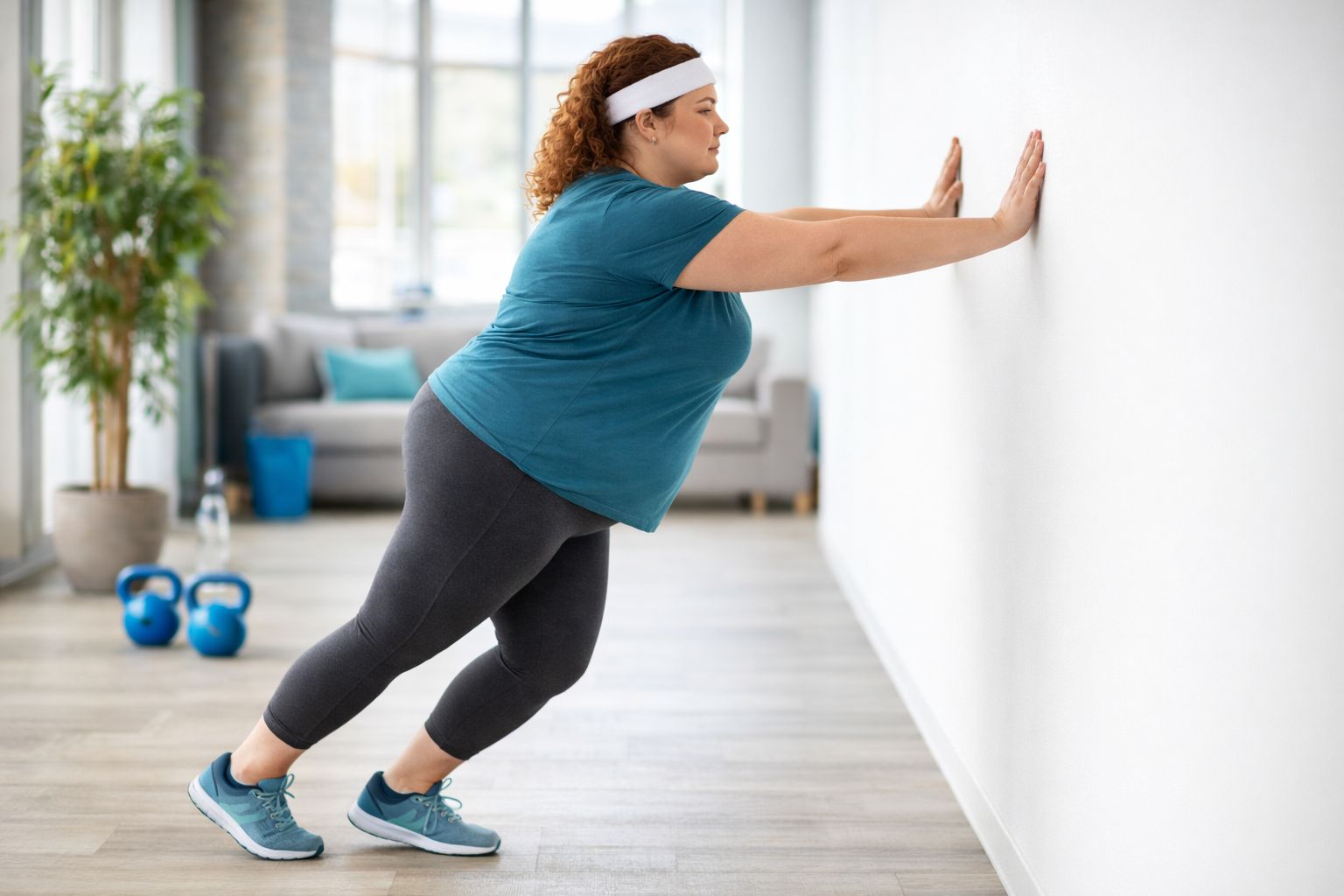
Targets chest, shoulders, triceps.
Reduces spinal and shoulder load compared to floor push-ups.
2. Chair Squats (Sit-to-Stand)
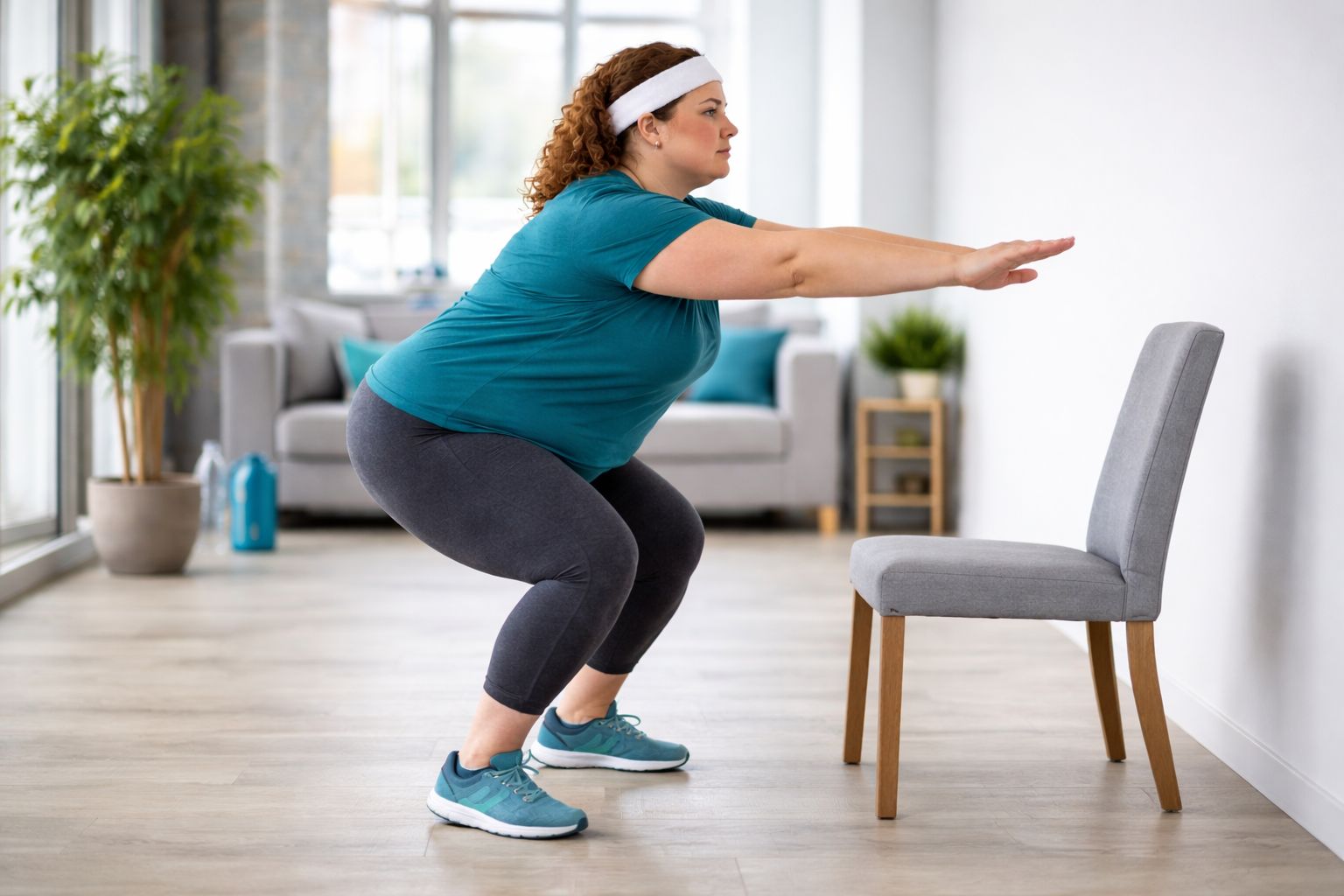
Improves lower-body strength safely.
Mimics functional daily movement.
3. Seated Leg Extensions
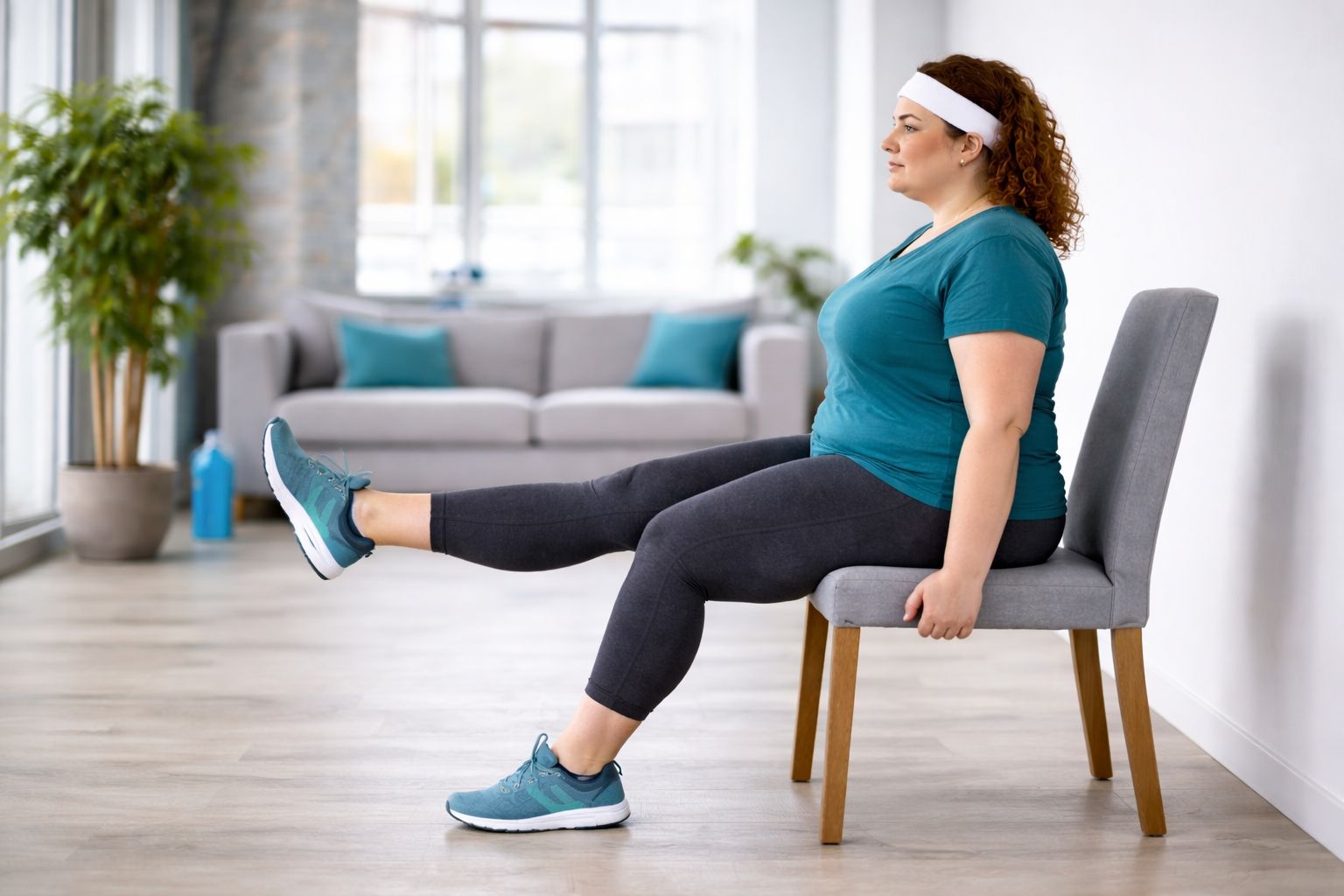
Strengthens quadriceps without weight-bearing strain.
4. Marching in Place
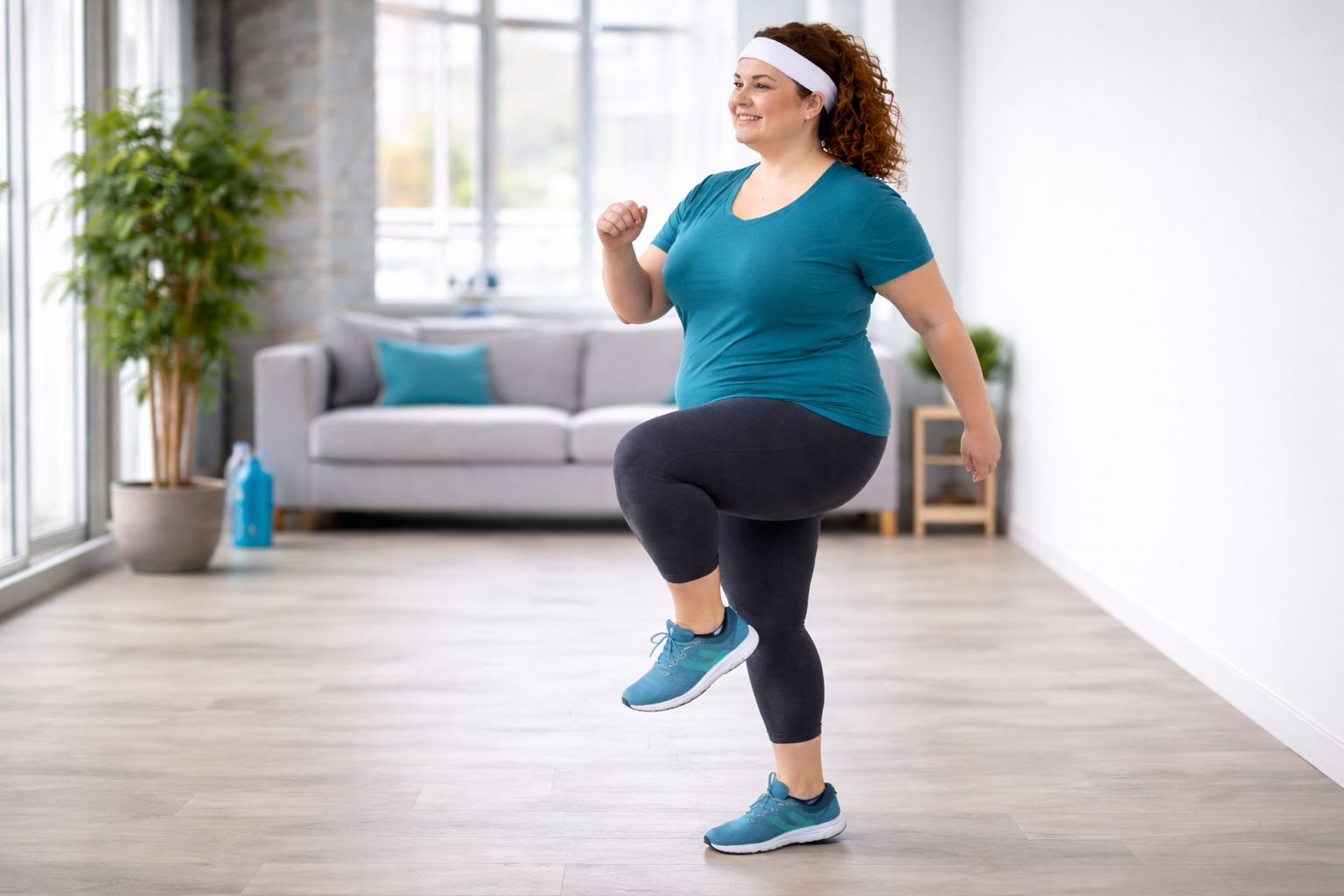
Low-impact cardiovascular activation.
5. Step-Ups (Low Platform)
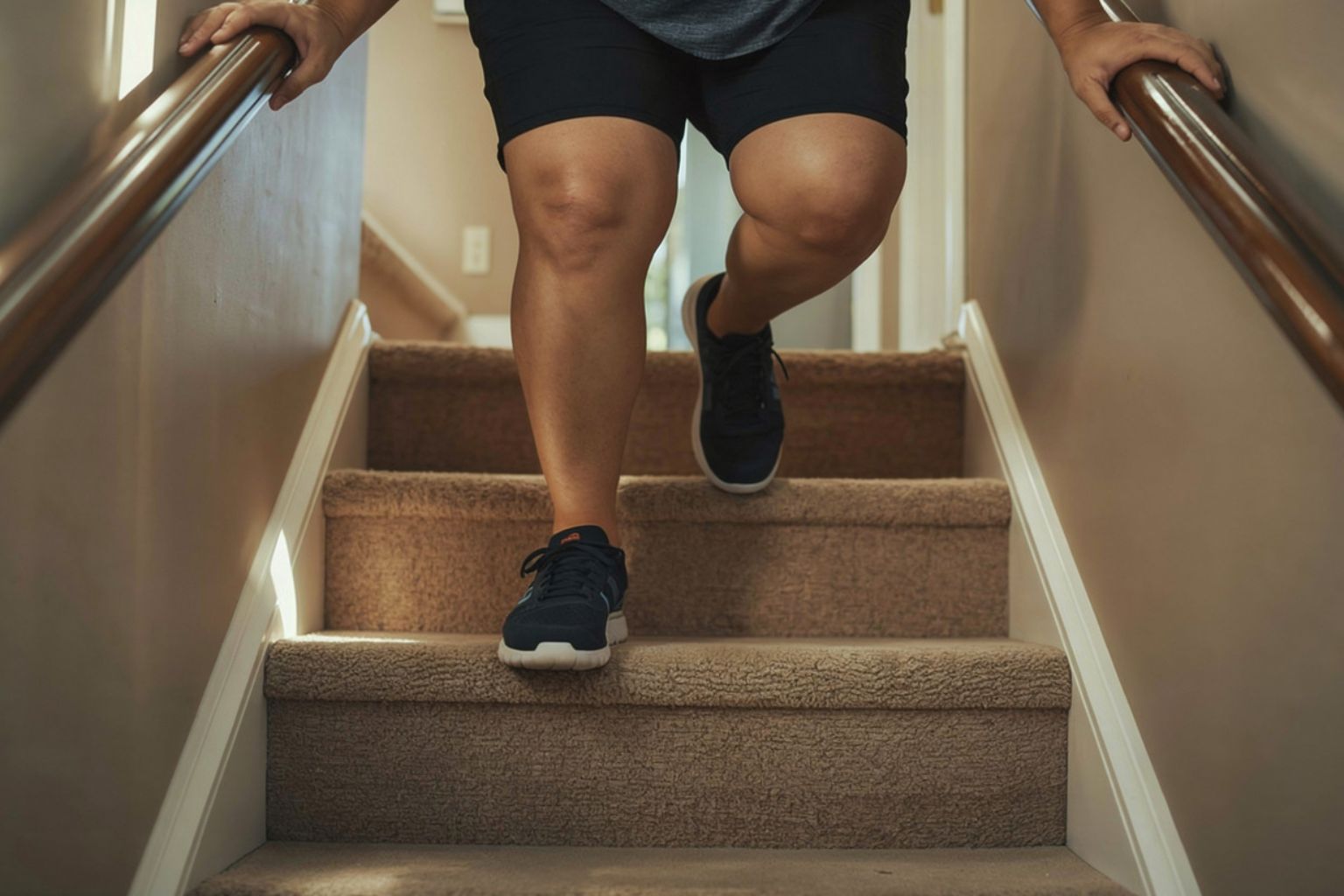
Improves balance and leg endurance.
6. Glute Bridges
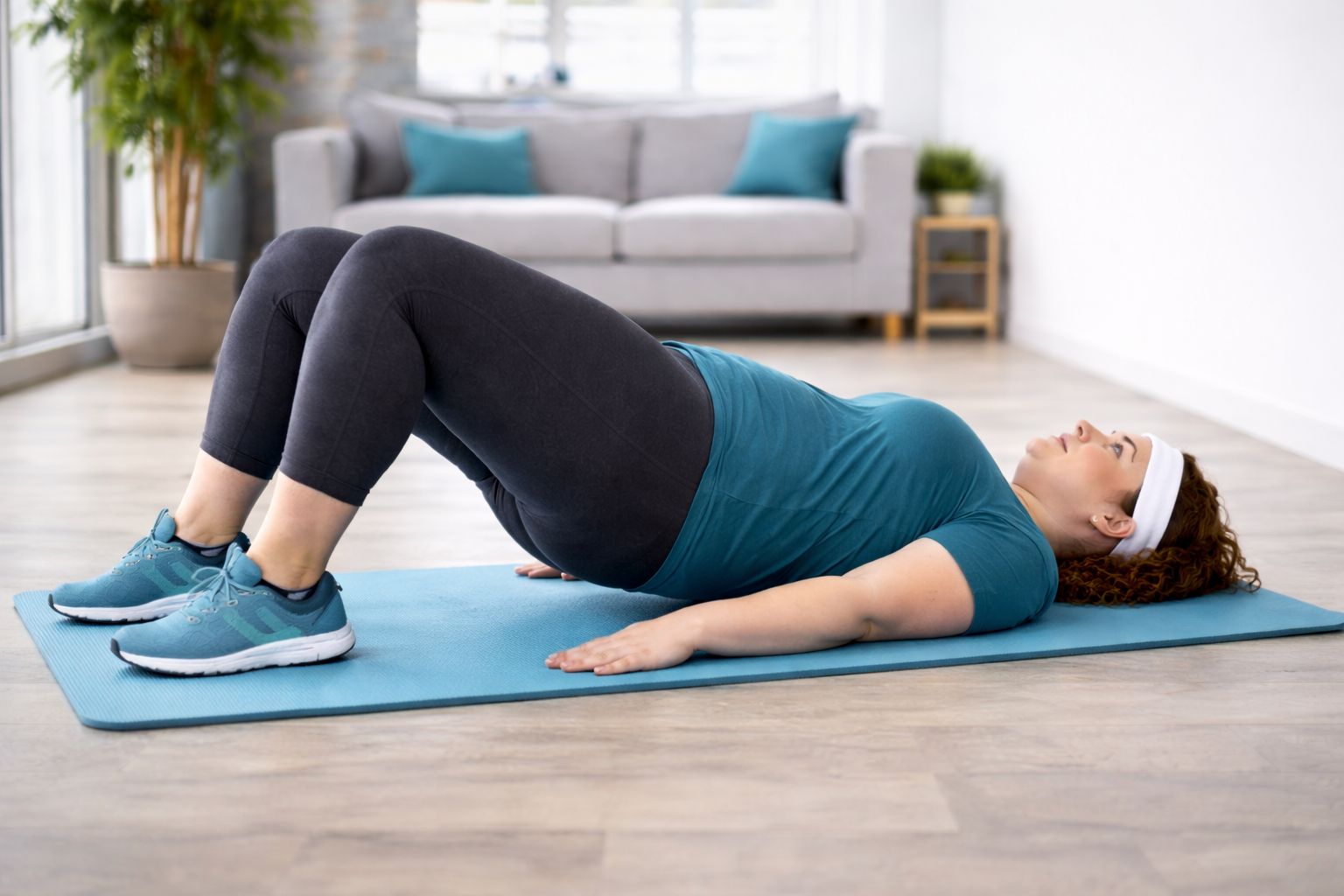
Strengthens posterior chain and reduces lower back strain.
7. Standing Side Leg Raises
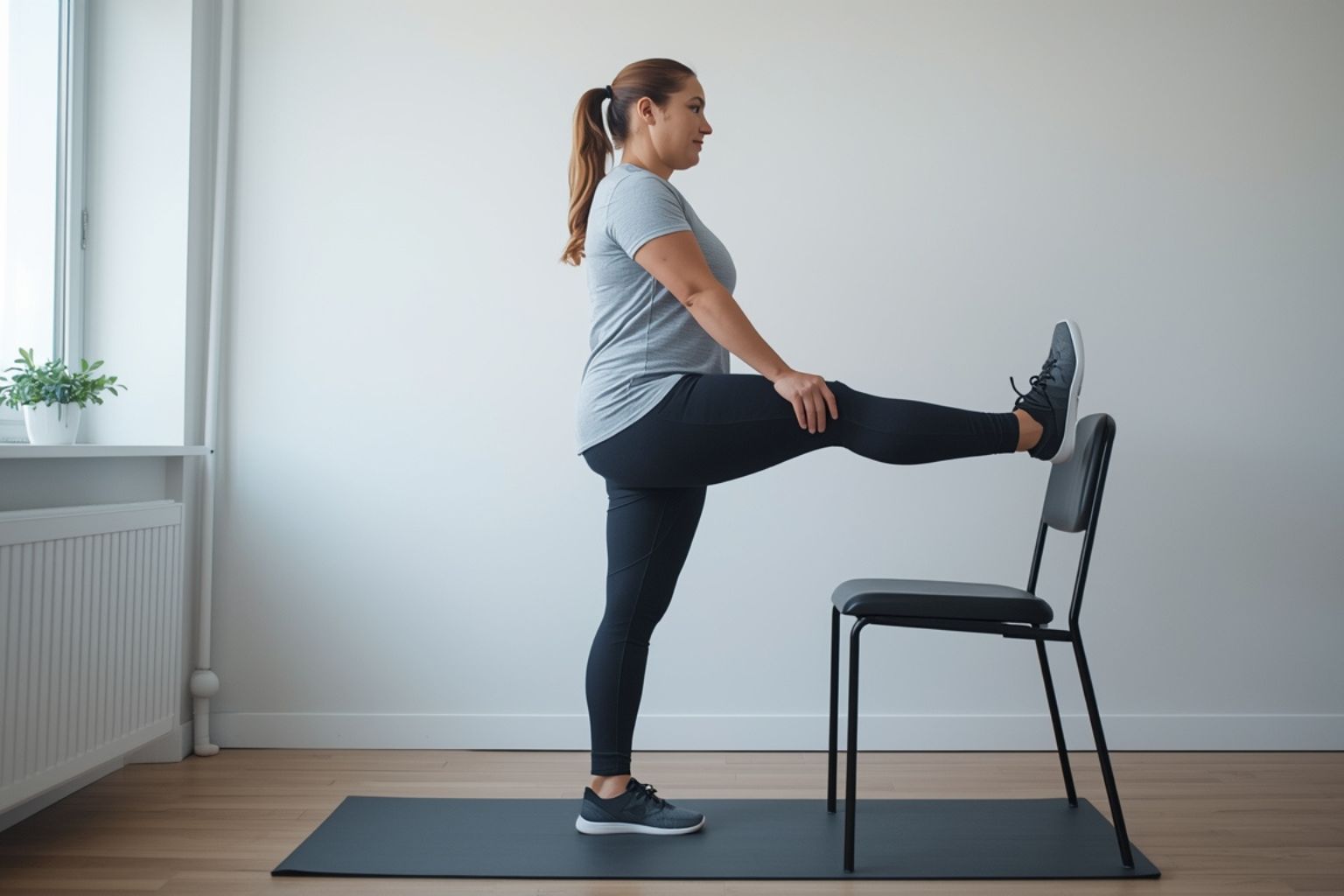
Enhances hip stability and reduces knee stress.
8. Resistance Band Rows
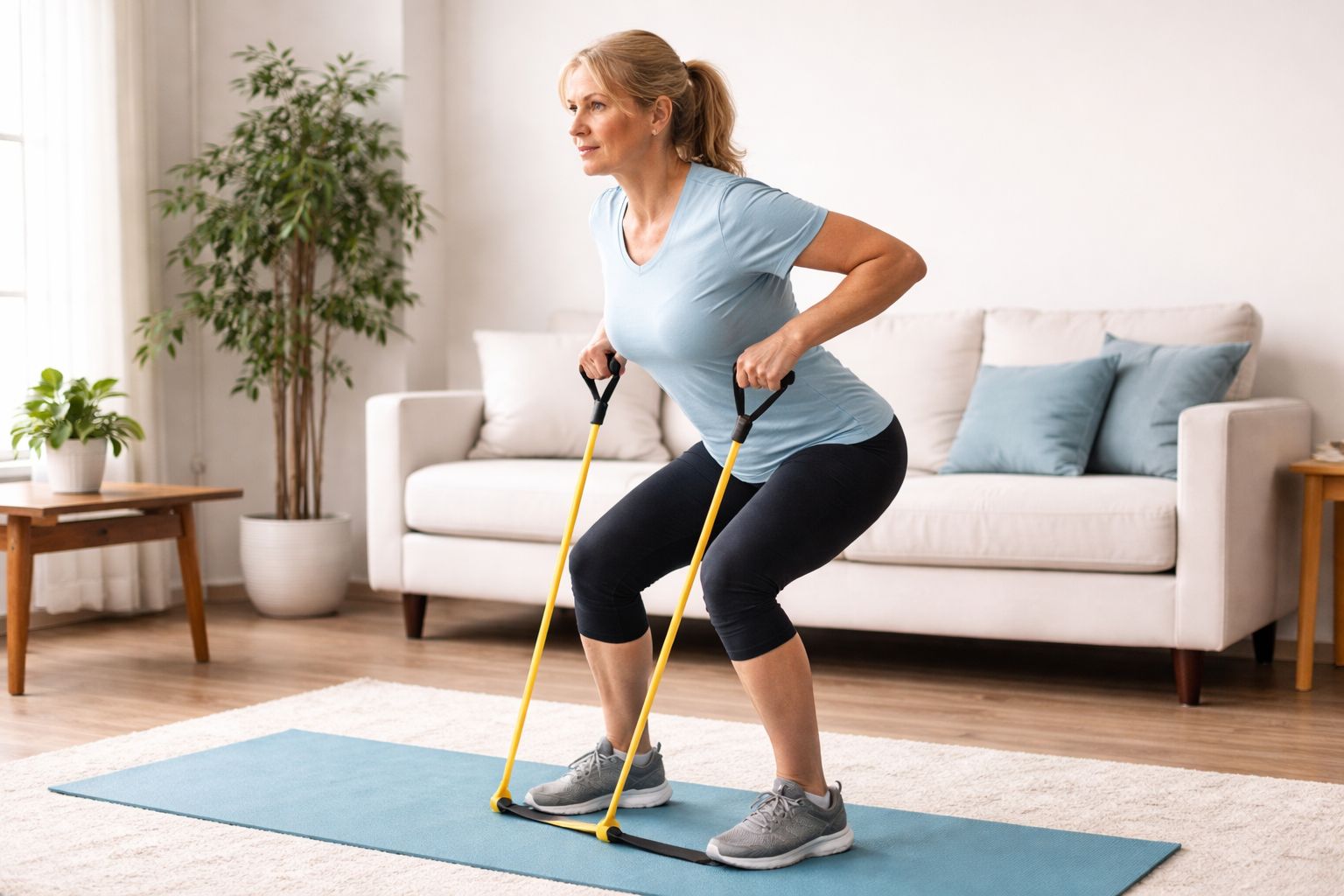
Strengthens upper back and improves posture.
9. Overhead Shoulder Press (Light Weight)
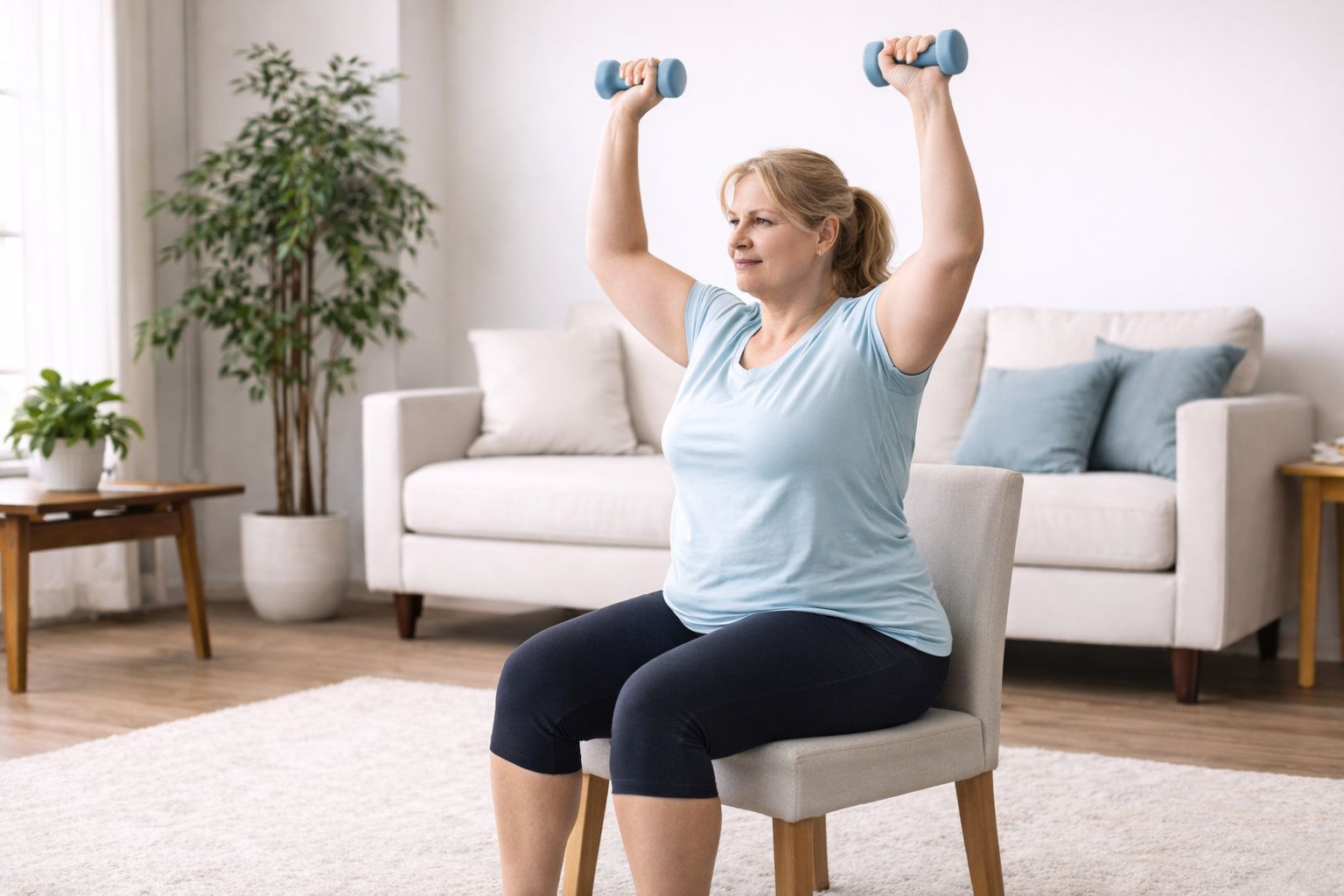
Builds shoulder endurance safely.
10. Gentle Mobility Stretching
Improves flexibility and recovery.
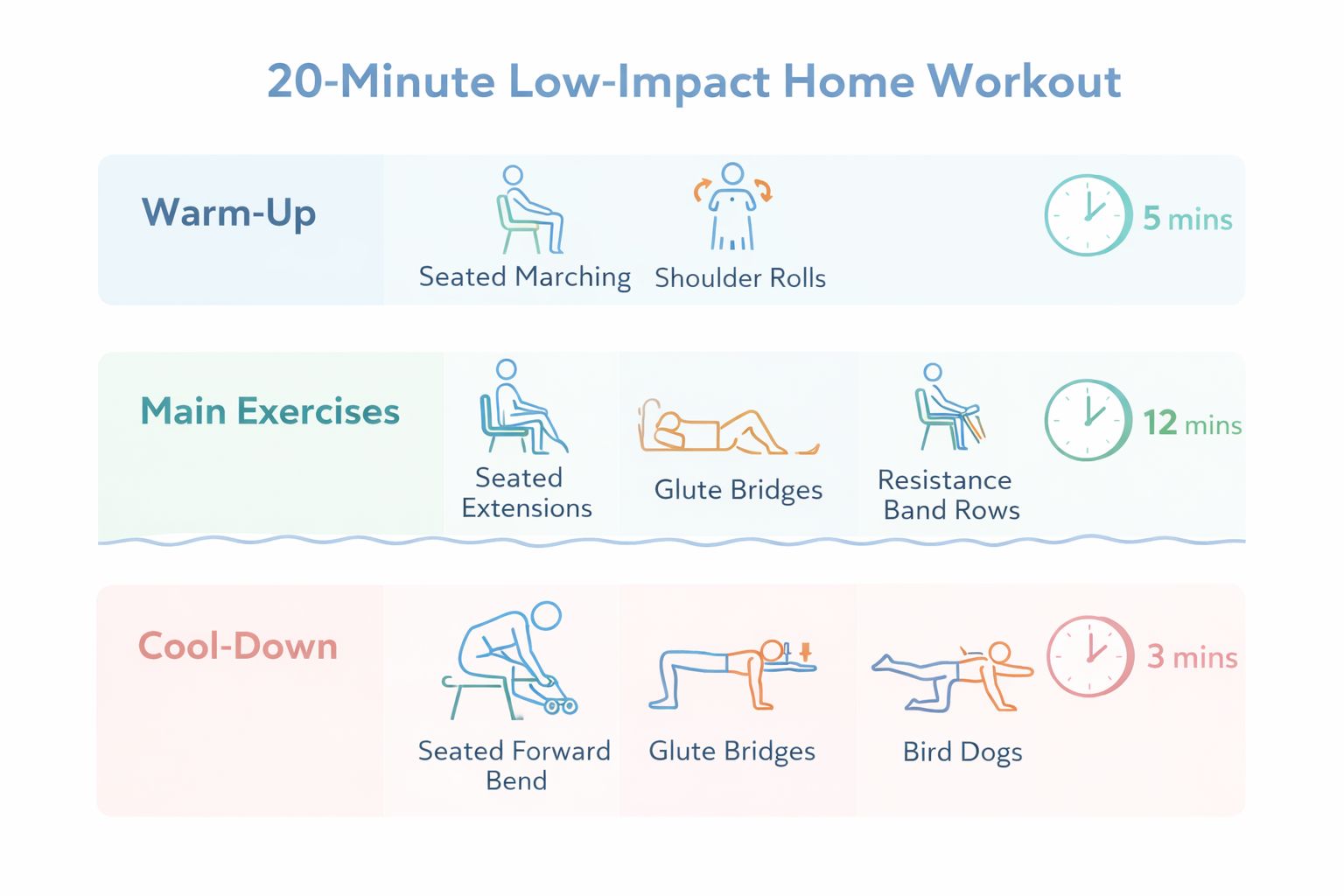
20-Minute Structured Beginner Routine
Warm-Up (5 Minutes)
Marching, shoulder circles, light squats.
Main Circuit (12 Minutes)
Perform each for 1 minute:
- Marching
- Chair squats
- Wall push-ups
- Step-ups
- Seated leg extensions
- Glute bridges
- Side leg raises
- Overhead presses
Rest 30–60 seconds. Repeat first 4 if able.
Cool-Down (3 Minutes)
Static stretching with controlled breathing.
Frequency: 3–5 days per week.
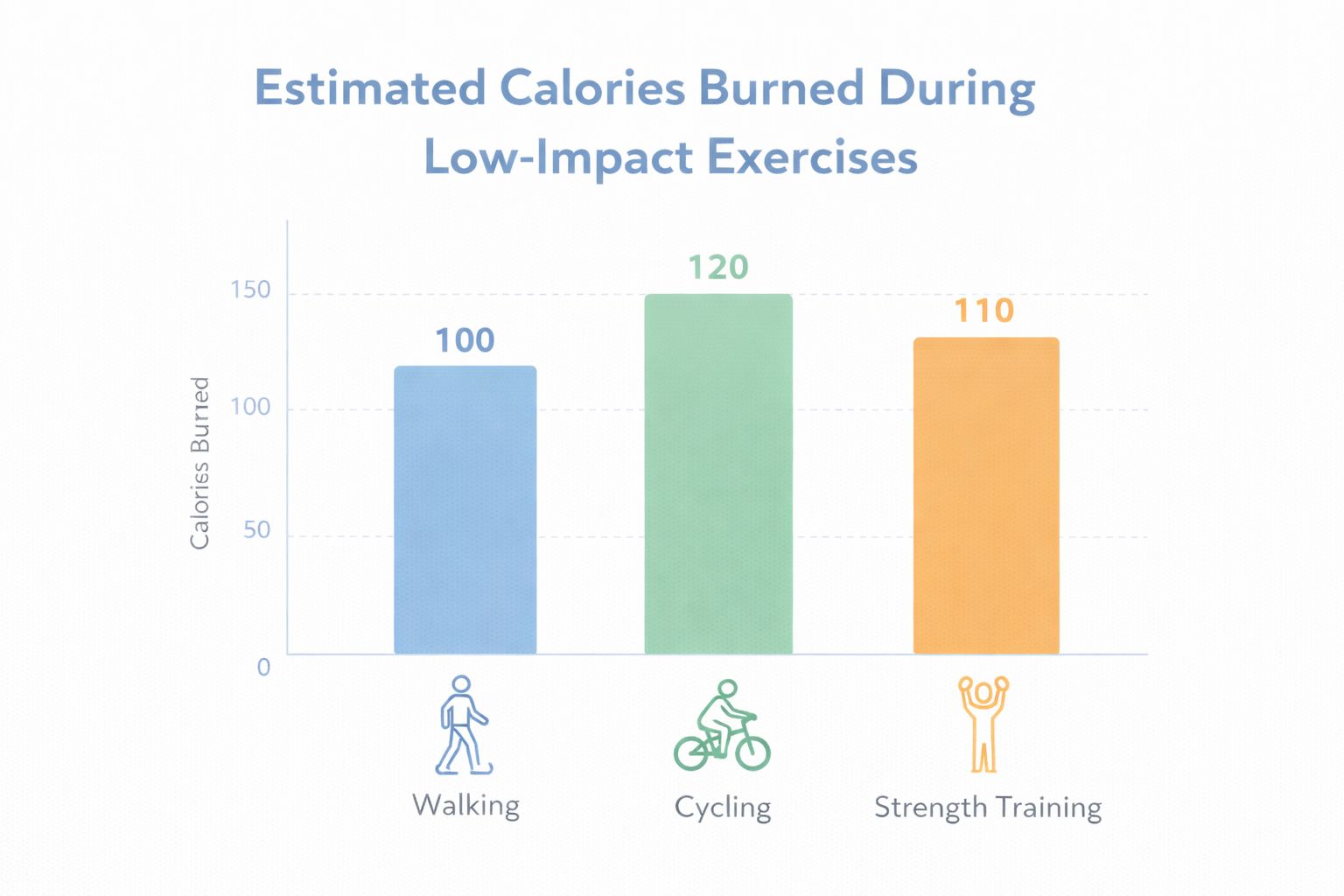
Calorie Burn Expectations for Obese Beginners
Estimated 30-minute calorie burn:
- Brisk walking: 200–350 calories
- Low-impact aerobics: 250–400 calories
- Moderate cycling: 300–450 calories
- Strength training: 150–300 calories
Actual burn varies by:
- Body weight
- Muscle mass
- Effort intensity
- Duration
Consistency drives total weekly energy expenditure.
Progressive Overload Strategy
To continue improving:
- Increase duration by 5%–10% weekly
- Add light resistance bands
- Increase repetitions gradually
- Add one extra weekly session
Avoid sudden intensity spikes.
Common Mistakes That Reduce Results
- Skipping warm-ups
- Exercising through joint pain
- Moving too quickly
- Severe calorie restriction
- Unrealistic expectations
- Inconsistent scheduling
Long-term success depends on gradual, repeatable behaviors.
Nutrition Principles to Support Low-Impact Exercise
Exercise alone rarely produces significant fat loss without dietary alignment.
Focus on:
Lean protein intake for muscle preservation
High-fiber vegetables and fruits
Whole grains over refined carbohydrates
Adequate hydration
Reduced added sugar intake
A moderate caloric deficit of 300–500 calories daily is sustainable and protects metabolic health.
Crash dieting increases fatigue and muscle loss.
Long-Term Sustainability and Adherence
The most effective workout is the one performed consistently.
Low-impact exercise:
- Reduces injury
- Improves confidence
- Supports gradual conditioning
- Encourages habit formation
Sustainable weight loss is not achieved through extreme intensity. It is achieved through repeated, manageable effort over time.
Frequently Asked Questions (FAQs)
1. Can obese beginners lose weight with low-impact exercise?
Yes. When paired with appropriate nutrition, low-impact exercise contributes significantly to caloric deficit and metabolic improvement.
2. How many days per week should beginners exercise?
Start with 3 sessions weekly. Progress toward 150 minutes of moderate activity weekly.
3. Is soreness normal?
Mild muscle soreness is expected. Joint pain is not.
4. Do I need equipment?
No. Bodyweight, a chair, and light household objects are sufficient initially.
5. Why should overweight people avoid jumping exercises?
Jumping exercises significantly increase joint compression forces. For every extra pound of body weight, the knee joint experiences approximately 4–6 additional pounds of pressure during movement.
High-impact exercises such as jumping, burpees, and running multiply that stress, increasing the risk of:
- Knee pain
- Cartilage wear
- Ligament strain
- Osteoarthritis progression
Low-impact workouts reduce these forces and protect joint health.
6. Is low-impact exercise safe for people with knee pain?
Yes, low-impact exercises are generally recommended for individuals with mild to moderate knee pain.
- Exercises such as:
- Seated leg extensions
- Glute bridges
- Wall push-ups
- Stationary cycling
help strengthen supporting muscles without excessive joint loading.
However, individuals with severe joint conditions should consult a healthcare provider before beginning a program.
Conclusion
Low-impact home exercises provide a medically appropriate, evidence-based starting point for obese beginners seeking weight loss and improved health.
By minimizing joint stress while stimulating cardiovascular and muscular adaptation, these workouts offer a safer alternative to high-impact routines.
Progress gradually.
Prioritize consistency.
Combine exercise with balanced nutrition.
Sustainable change is built through repeatable actions — not extreme effort.
Begin where you are.
Improve steadily.
Protect your joints while strengthening your body.
Your long-term health depends not on intensity — but on adherence.