

In today’s fast-paced world, many people spend their days rushing from one responsibility to the next. Notifications constantly compete for attention, work demands seem endless, and stress has become a common part of daily life. As a result, more Americans are searching for practical ways to improve their mental well-being, reduce anxiety, and find a sense of balance.
One practice has consistently gained attention from psychologists, neuroscientists, and health professionals alike: mindfulness.
Mindfulness is more than just a wellness trend. Scientific research over the past several decades has shown that regular mindfulness practice can positively impact mental health, emotional resilience, focus, sleep quality, and even physical health. What makes mindfulness especially appealing is its simplicity. You don’t need expensive equipment, years of training, or hours of free time to begin experiencing its benefits.
Whether you’re dealing with chronic stress, struggling to stay focused, or simply looking to improve your overall quality of life, mindfulness can become a powerful tool in your daily routine.
In this article, we’ll explore 10 science-backed benefits of daily mindfulness practice and discover why millions of people are making mindfulness an essential part of their lives.
What Is Mindfulness?

Mindfulness is the practice of paying attention to the present moment with openness, curiosity, and without judgment. Instead of dwelling on past regrets or worrying about future uncertainties, mindfulness encourages you to fully experience what is happening right now.
This can involve paying attention to your breathing, observing your thoughts, noticing bodily sensations, or becoming more aware of your surroundings.
Many people confuse mindfulness with meditation. While meditation is one of the most effective ways to cultivate mindfulness, mindfulness itself can be practiced throughout the day. You can be mindful while eating, walking, exercising, working, or even having conversations.
Researchers have found that mindfulness can physically change areas of the brain associated with attention, emotional regulation, memory, and stress management. This ability of the brain to adapt and reorganize itself is known as neuroplasticity, and it plays a major role in the long-term benefits of mindfulness practice.
#Ultimate Guide to Mindfulness for Beginners: Benefits, Techniques, and Daily Habits
1. Reduces Stress Levels

One of the most widely studied benefits of mindfulness is its ability to reduce stress.
Stress is a natural response to challenges and demands. However, when stress becomes chronic, it can negatively affect both mental and physical health. Long-term stress has been linked to high blood pressure, weakened immunity, poor sleep, digestive problems, and increased risk of anxiety and depression.
Mindfulness helps break the cycle of chronic stress by encouraging individuals to observe their thoughts and emotions without becoming overwhelmed by them.
Research has shown that mindfulness-based interventions can lower levels of cortisol, often referred to as the body’s primary stress hormone. By practicing mindfulness regularly, people often report feeling calmer, more balanced, and better equipped to handle daily challenges.
For example, instead of reacting immediately to a stressful email from a coworker, mindfulness helps create a brief pause. That pause allows you to respond thoughtfully rather than emotionally.
Over time, these small moments of awareness can significantly reduce overall stress levels and improve emotional well-being.
Recommended Resource
Many beginners find guided mindfulness programs helpful because they provide structured lessons and daily exercises. A quality mindfulness or meditation course can help establish consistency and make the learning process easier.
2. Helps Manage Anxiety

Anxiety affects millions of Americans every year. While occasional anxiety is normal, persistent anxiety can interfere with relationships, work performance, and overall quality of life.
Mindfulness teaches individuals to observe anxious thoughts without becoming trapped by them.
Instead of identifying with every worry that appears in the mind, practitioners learn to recognize thoughts as temporary mental events. This shift in perspective often reduces the intensity of anxious feelings.
Scientific studies suggest that mindfulness-based practices can help reduce symptoms of generalized anxiety, social anxiety, and stress-related disorders.
One reason mindfulness is effective is that it redirects attention away from imagined future scenarios and back to the present moment. Since anxiety often involves worrying about events that haven’t happened yet, staying grounded in the present can significantly reduce mental distress.
A simple exercise involves focusing on your breath for a few minutes whenever anxiety arises. Paying attention to each inhale and exhale can interrupt cycles of excessive worrying and create a greater sense of calm.
3. Improves Emotional Regulation
Emotional regulation refers to the ability to manage and respond to emotions in healthy ways.
Without emotional regulation, people may react impulsively when they feel angry, frustrated, sad, or overwhelmed. These reactions can damage relationships, increase stress, and create unnecessary conflict.
Mindfulness strengthens emotional awareness by helping individuals notice emotions as they arise.
Rather than suppressing emotions or becoming consumed by them, mindfulness encourages acceptance and observation. This approach allows people to process emotions more effectively and respond with greater wisdom.
Research indicates that regular mindfulness practice is associated with improved activity in brain regions responsible for emotional control.
For example, imagine receiving unexpected criticism at work. A person practicing mindfulness may notice feelings of disappointment or frustration without immediately reacting. This awareness creates space for thoughtful decision-making and healthier communication.
As emotional regulation improves, many people find themselves becoming less reactive and more resilient during difficult situations.
4. Enhances Focus and Concentration

Maintaining focus has become increasingly challenging in a world filled with digital distractions.
Emails, social media notifications, text messages, and constant multitasking can make sustained attention feel nearly impossible.
Fortunately, mindfulness acts like a workout for your attention span.
When you practice mindfulness meditation, you repeatedly bring your attention back to a chosen point of focus, such as your breath. Every time your mind wanders and you gently return your attention, you’re strengthening important cognitive skills related to concentration.
Studies have found that mindfulness training can improve attention, working memory, and cognitive flexibility.
These benefits can be especially valuable for students, professionals, entrepreneurs, and anyone whose work requires sustained mental effort.
A simple daily mindfulness practice can help improve productivity, reduce mental fatigue, and enhance overall performance throughout the day.
Recommended Tool
A mindfulness journal can be a valuable companion to your practice. Recording daily reflections helps increase self-awareness, track progress, and reinforce positive habits.
5. Supports Better Sleep Quality

Sleep problems affect millions of adults in the United States.
Many people struggle to fall asleep because their minds remain active long after they get into bed. Racing thoughts, worries about the future, and replaying past events can make relaxation difficult.
Mindfulness offers an effective solution.
By training the mind to stay present, mindfulness reduces mental overactivity that often interferes with sleep.
Research suggests that mindfulness-based interventions can improve sleep quality, reduce insomnia symptoms, and help individuals fall asleep more quickly.
A simple bedtime mindfulness routine may include:
- Taking slow, deep breaths
- Scanning the body for tension
- Observing thoughts without judgment
- Focusing attention on physical sensations
These techniques help calm the nervous system and prepare the body for restful sleep.
Many practitioners report not only falling asleep faster but also experiencing deeper and more restorative sleep over time.
Creating a Relaxing Sleep Environment
A calming environment can enhance mindfulness practice before bed. Soft lighting, comfortable seating, calming scents, and guided relaxation sessions may help create the ideal atmosphere for winding down after a busy day.
6. Boosts Self-Awareness
Self-awareness is the foundation of personal growth. Without understanding our thoughts, habits, emotions, and behaviors, it becomes difficult to make meaningful improvements in life.
Mindfulness helps develop self-awareness by encouraging individuals to observe their internal experiences with curiosity rather than judgment.
Many people go through their days operating on autopilot. They react to situations without fully understanding why they feel a certain way or make specific decisions. Mindfulness interrupts this automatic mode and brings conscious awareness to everyday experiences.
Research suggests that mindfulness increases activity in brain regions associated with self-reflection and introspection. As a result, practitioners often gain deeper insight into their motivations, strengths, weaknesses, and behavioral patterns.
Greater self-awareness can lead to:
- Better decision-making
- Improved emotional intelligence
- Stronger relationships
- Increased confidence
- More intentional living
Over time, mindfulness helps you become more aligned with your values and goals rather than simply reacting to life’s circumstances.
7. Improves Relationships and Communication

Healthy relationships require attention, empathy, and effective communication. Unfortunately, stress, distractions, and emotional reactivity often interfere with meaningful connections.
Mindfulness can significantly improve how we interact with others.
One of the core principles of mindfulness is presence. When you’re fully present during conversations, you’re more likely to listen carefully, understand different perspectives, and respond thoughtfully.
Studies have found that mindfulness is associated with increased empathy, compassion, and relationship satisfaction.
Mindful communication involves:
- Listening without interrupting
- Paying attention to verbal and nonverbal cues
- Responding rather than reacting
- Being aware of emotional triggers
- Showing greater empathy and understanding
For example, instead of mentally preparing your response while someone else is speaking, mindfulness encourages genuine listening. This simple shift can dramatically improve personal and professional relationships.
Many couples, families, and workplaces have benefited from incorporating mindfulness practices into daily interactions.
8. May Lower Blood Pressure and Support Heart Health
The connection between mental well-being and physical health is becoming increasingly clear.
Chronic stress can contribute to elevated blood pressure, inflammation, and increased risk of cardiovascular disease.
Because mindfulness helps reduce stress and promote relaxation, researchers have explored its potential effects on heart health.
Several studies suggest that regular mindfulness practice may help:
- Lower blood pressure
- Reduce stress-related inflammation
- Improve circulation
- Support healthy heart function
- Encourage healthier lifestyle choices
Mindfulness also promotes greater awareness of behaviors related to health, such as eating habits, exercise routines, and sleep patterns.
While mindfulness should never replace medical treatment, it can serve as a valuable complement to a healthy lifestyle.
Combined with regular exercise, balanced nutrition, and adequate sleep, mindfulness may contribute to better long-term cardiovascular health.
9. Strengthens Resilience During Difficult Times

Life inevitably brings challenges. Whether it’s job loss, financial difficulties, relationship problems, or unexpected setbacks, resilience plays a critical role in how we navigate adversity.
Resilience refers to the ability to recover from difficulties and adapt to change.
Mindfulness strengthens resilience by helping individuals develop a healthier relationship with discomfort and uncertainty.
Rather than avoiding difficult emotions, mindfulness teaches acceptance and observation. This doesn’t mean enjoying hardship; it means facing reality with greater clarity and emotional stability.
Research indicates that mindfulness can improve coping skills and reduce emotional distress during challenging situations.
When difficulties arise, mindful individuals are often better able to:
- Stay calm under pressure
- Think clearly
- Make rational decisions
- Adapt to changing circumstances
- Maintain emotional balance
Resilience isn’t about never struggling. It’s about learning how to move through challenges without becoming overwhelmed by them.
Daily mindfulness practice helps build that resilience one moment at a time.
10. Increases Overall Happiness and Life Satisfaction
Perhaps one of the most rewarding benefits of mindfulness is its ability to enhance overall well-being.
Many people spend much of their lives chasing future goals while overlooking the present moment. Mindfulness shifts attention toward appreciating what is happening right now.
Research in positive psychology suggests that mindfulness can increase:
- Positive emotions
- Gratitude
- Life satisfaction
- Psychological well-being
- Sense of purpose
When people become more present, they often experience greater enjoyment of simple everyday moments.
A morning cup of coffee, a walk outside, a meaningful conversation, or a beautiful sunset can become sources of genuine fulfillment.
Mindfulness doesn’t eliminate life’s problems, but it can help you experience more joy and contentment regardless of external circumstances.
Recommended Resource
Many practitioners combine mindfulness with gratitude journaling. Writing down things you’re grateful for each day can reinforce positive thinking patterns and enhance overall happiness.
How to Start a Daily Mindfulness Practice

The best part about mindfulness is that getting started doesn’t require major lifestyle changes.
Step 1: Start Small
Begin with just five minutes per day.
Many beginners mistakenly believe they need to meditate for 30 or 60 minutes. Consistency matters far more than duration.
Step 2: Focus on Your Breath
Sit comfortably and bring attention to your breathing.
Notice the sensation of each inhale and exhale.
When your mind wanders, gently bring your attention back.
Step 3: Create a Consistent Routine
Choose a specific time each day.
Popular options include:
- Early morning
- Lunch break
- Before bedtime
Consistency helps transform mindfulness into a lasting habit.
Step 4: Use Guided Sessions
Guided mindfulness programs can provide structure and support, especially for beginners.
They help remove uncertainty and make daily practice easier to maintain.
Step 5: Track Your Progress
Keep a journal documenting:
- Mood changes
- Stress levels
- Sleep quality
- Focus improvements
- Emotional well-being
Tracking progress can help maintain motivation and highlight positive changes over time.
Recommended Tools for Building a Mindfulness Habit
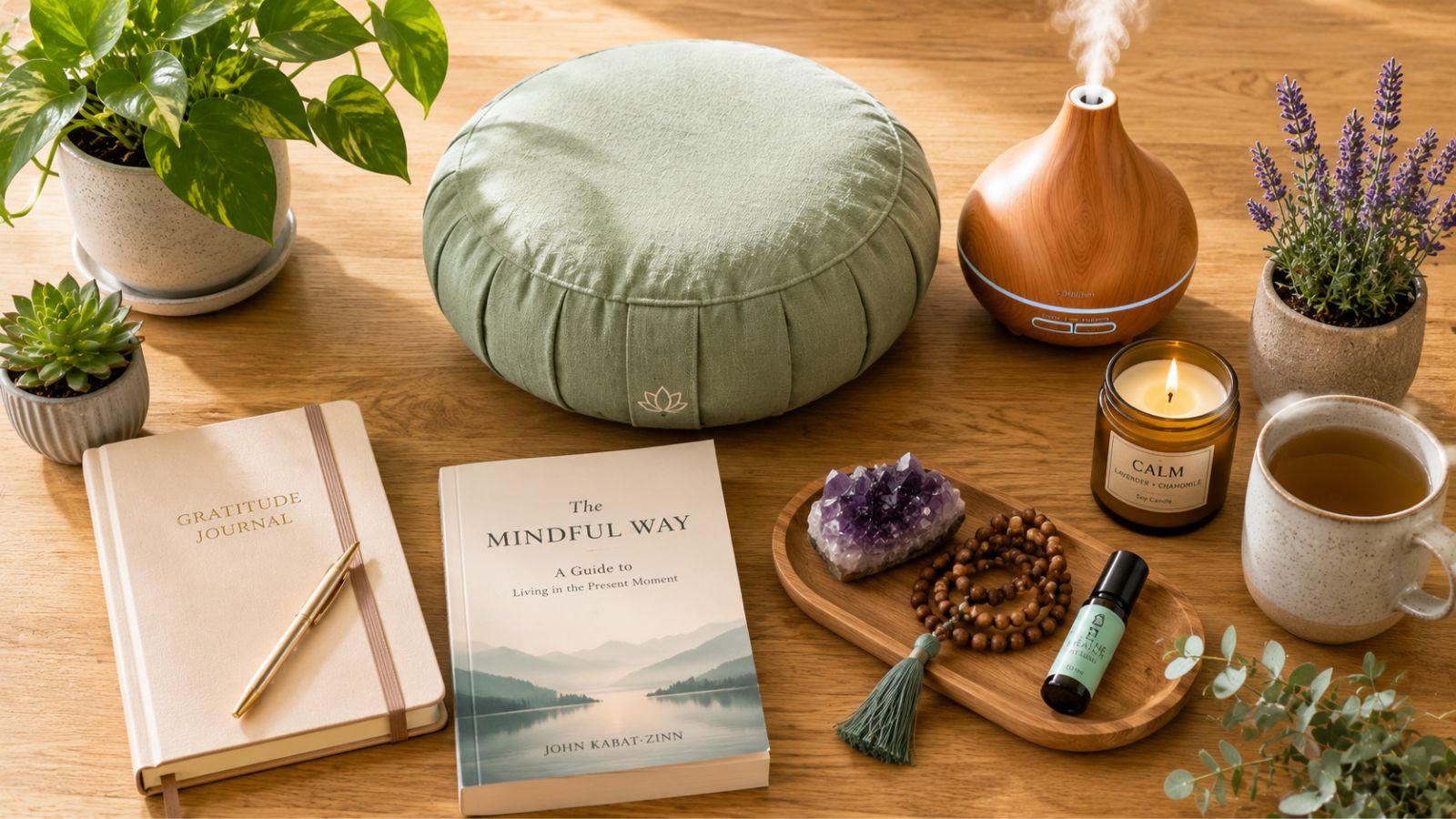
1. Guided Mindfulness Course
A structured mindfulness course can help beginners develop a sustainable practice through step-by-step instruction and guided exercises.
Benefits
- Beginner-friendly lessons
- Guided meditation sessions
- Daily practice routines
- Improved consistency
2. Meditation Cushion
A comfortable meditation cushion can make longer mindfulness sessions more enjoyable by supporting proper posture and reducing discomfort.
Benefits
- Better spinal alignment
- Increased comfort
- Improved focus
- Longer meditation sessions
3. Gratitude Journal
Journaling complements mindfulness by encouraging reflection and self-awareness.
Benefits
- Supports positive thinking
- Tracks personal growth
- Increases gratitude
- Encourages mindfulness throughout the day
4. Essential Oil Diffuser
Many people enjoy creating a calming environment during meditation and mindfulness practice.
Benefits
- Relaxing atmosphere
- Improved focus
- Enhanced meditation experience
- Supports bedtime routines
Common Myths About Mindfulness
Myth #1: Mindfulness Means Emptying Your Mind
Reality: Mindfulness is about observing thoughts, not eliminating them.
Myth #2: You Need Hours of Practice
Reality: Even five to ten minutes per day can produce noticeable benefits.
Myth #3: Mindfulness Is Only for Spiritual People
Reality: Mindfulness is widely used in healthcare, education, business, and sports performance.
Myth #4: Results Take Years
Reality: Many people notice reduced stress and improved focus within just a few weeks of consistent practice.
Frequently Asked Questions
How long should I practice mindfulness each day?
Beginners can start with five to ten minutes daily and gradually increase duration as they become more comfortable.
Can mindfulness help with anxiety?
Research suggests mindfulness can help reduce anxiety symptoms by encouraging present-moment awareness and reducing excessive worry.
Is mindfulness scientifically proven?
Yes. Numerous studies have demonstrated benefits related to stress reduction, emotional regulation, focus, sleep quality, and overall well-being.
What is the best time to practice mindfulness?
The best time is whenever you can be consistent. Many people prefer mornings or evenings.
How long does it take to see results?
Some benefits may be noticed within a few days or weeks, while deeper changes often develop through long-term practice.
Do I need meditation experience to start?
No. Mindfulness is beginner-friendly and can be practiced by anyone regardless of prior experience.

Conclusion
The science behind mindfulness continues to grow, and the evidence is increasingly clear: daily mindfulness practice can have a profound impact on both mental and physical well-being.
From reducing stress and anxiety to improving focus, sleep, emotional resilience, and overall happiness, mindfulness offers benefits that extend into nearly every area of life.
The best part is that you don’t need special skills, expensive equipment, or hours of free time to begin. Just a few minutes of consistent practice each day can start creating meaningful positive changes.
If you’re new to mindfulness, start small. Focus on your breath, remain present, and commit to practicing regularly. Over time, those few mindful moments may become one of the most valuable investments you make in your health, happiness, and personal growth.
Remember: mindfulness isn’t about perfection. It’s about paying attention to your life as it’s happening, one moment at a time.